
Reviewed · POMPEII PRIVATE GUIDED TOURS
Pompeii 2-Hour Private Tour
Pompeii hits fast, and this tour helps you see it. You get a private licensed guide and a focused route that turns ruins into real daily life, from the Forum to the plaster casts. I especially like the chance to ask questions in real time with guides such as Stefano and Antonietta, and I also like how the visit is paced so you’re not stuck in crowd traffic. One thing to keep in mind: it’s only two hours, so you’ll see major highlights but you won’t feel like you’ve toured every street and corner.
What I like most is the storytelling built around how people actually lived—slaves, everyday shop owners, and very wealthy families close together. You’ll walk past the remains of shops, streets, and houses, and you’ll also get technical and artistic context for what you’re seeing, not just general facts. The possible drawback is practical: you’ll cover a lot of ground on uneven paths, and the activity information says it’s not suitable for wheelchair users, even though it’s labeled wheelchair accessible.
If you want Pompeii in a short, high-impact visit, this setup is a strong match. You start at the train station area called Scavi Villa dei Misteri, then your guide keeps you moving and oriented. Just plan your comfort: good shoes, water, and sun protection matter a lot in Pompeii.
In This Review
- Key takeaways before you go
- Starting at Scavi Villa dei Misteri: you’ll get your bearings quickly
- The 2-hour structure: how much you can realistically see
- The Forum and Temple of Jupiter: where Roman public life lived
- Daily life on Roman streets: shops, class, and close neighbors
- Rich houses: living like you own the walls
- The plaster casts: seeing victims frozen in time
- Skip the ticket line: saving time for the parts you’ll remember
- Price and value: what $181.26 buys you
- What to bring (and what can trip you up)
- Who this Pompeii tour suits best
- Should you book? My straight answer
- FAQ
- Where is the meeting point for the Pompeii 2-hour private tour?
- How long is the tour?
- What’s included in the price?
- Does the tour include skipping the ticket line?
- What should I bring with me?
- Are large bags or luggage allowed inside Pompeii?
Key takeaways before you go
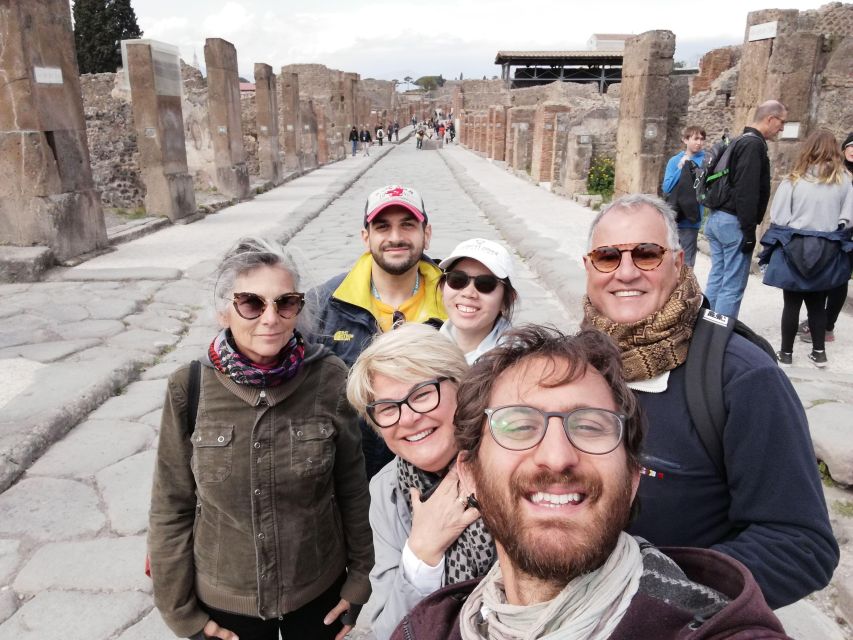
- Named guide meeting point: Your guide holds a sign with your name right outside the Pompei Villa dei Misteri station area.
- Skip-the-line entry: You get ticket entry included, saving time when sites are busy.
- A tight 2-hour “greatest hits” route: Forum, major public spaces, and selected top houses are prioritized.
- Everyday life focus: You’ll connect ruins to real routines—work, worship, and social class side by side.
- Human-scale impact: Plaster casts of victims show the catastrophe in a way photos can’t.
- Small private group feel: You’ll have room for questions and flexibility.
Starting at Scavi Villa dei Misteri: you’ll get your bearings quickly
Good first steps make Pompeii easier. This tour starts in front of the Pompei Villa dei Misteri train station area, at Via Villa dei Misteri, 1 (and the route lists Via Villa dei Misteri, 2 as the starting address). The practical win is simple: your guide shows up with a sign that has your name on it, so you’re not wandering while everyone else is forming lines.
You’re not just meeting a person—you’re getting orientation. Pompeii is large, and without guidance it’s easy to bounce between disconnected sights. With a licensed guide, you’ll get a clear sense of where you are and why each stop matters before you move on to the next one.
One small detail that shows up in how guides run this experience: communication tends to be proactive. Some guides use messaging to tell you exactly where to find them, which helps if you arrive confused by station exits or signage. If you can, show up about 10 minutes early and you’ll reduce stress before the walk begins.
Prefer your own guide? More private tours
- Pompeii Ruins Private Tour with Optional Skip-the-Line Entry
★ 4.9 · 732 reviews - Pompei: Pompeii Private Tour
★ 4.8 · 146 reviews - 2-Hour Private Walking Tour of Pompeii
★ 4.7 · 22 reviews
The 2-hour structure: how much you can realistically see
Two hours at Pompeii sounds short until you see how smart the route feels. The tour is built around getting you into the site with entry tickets included and then using your time on what matters most: the Forum, key religious/political landmarks like the Temple of Jupiter, selected rich houses, and the most emotionally memorable stop—the plaster casts of victims.
Here’s the reality check that helps you plan: Pompeii is huge, and even with a private guide, this isn’t a “see everything” visit. Instead, it’s designed for a strong overview with depth where it counts. That’s ideal if you’re also seeing other sights in the Naples area or if you simply don’t want to spend your whole day walking in the heat.
The walk itself is the main activity, and the entire experience runs back to the meeting point after the guided circuit. That matters because Pompeii ruins can be disorienting. Having an end point that returns you to where you started reduces the chance of getting stuck managing transport logistics on your own.
The Forum and Temple of Jupiter: where Roman public life lived
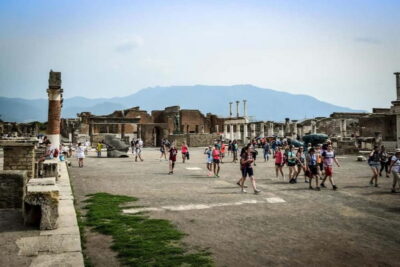
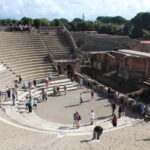
If you remember one word when visiting Pompeii, make it Forum. This is the center of religious, cultural, and political life, and it’s where the city’s “public face” becomes easy to understand. With a guide leading the route, you don’t just look at stones—you connect them to how decisions were made, how ceremonies were performed, and how people gathered.
You’ll also see major landmark space tied to religion and civic identity, including the Temple of Jupiter. This is where you learn why certain structures were placed where they were, and what kinds of activity the Romans expected to happen there. The effect is that Pompeii stops feeling like a random collection of walls and instead starts acting like a functioning city—one that ran on routines you can almost picture.
One reason this matters for your enjoyment: the Forum is also where ruins can look repetitive if you go without context. With the guide, you get the “so what,” which turns your time there into actual understanding instead of photo-taking alone.
Daily life on Roman streets: shops, class, and close neighbors
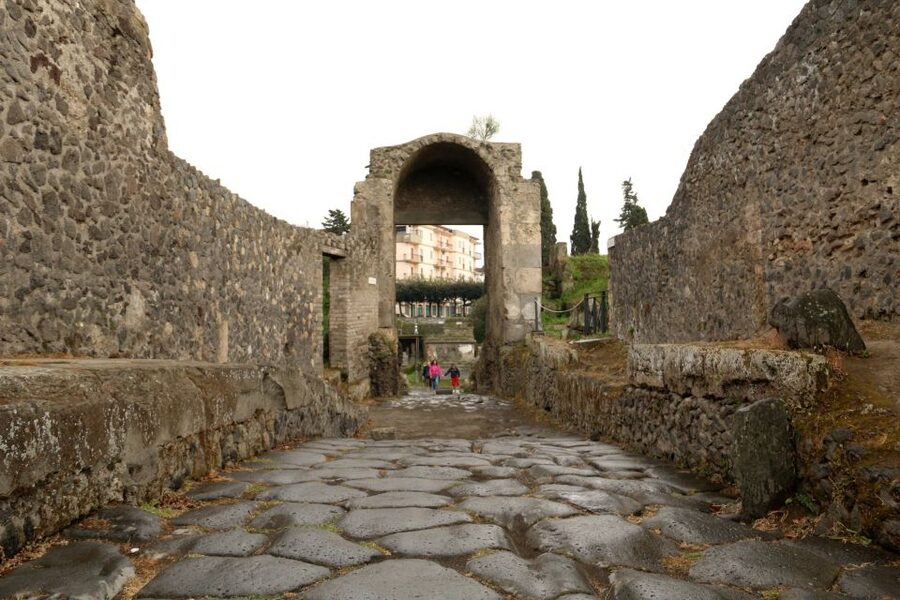
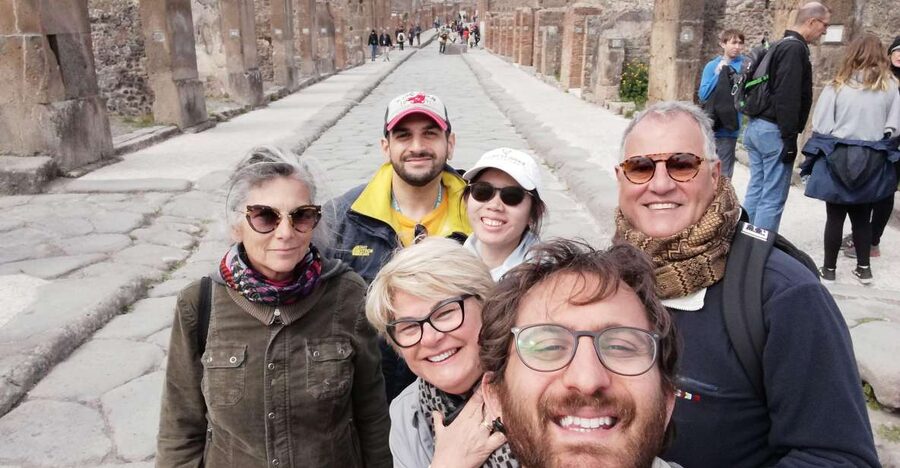
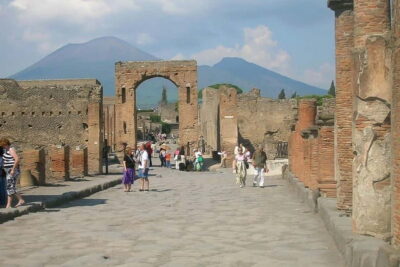
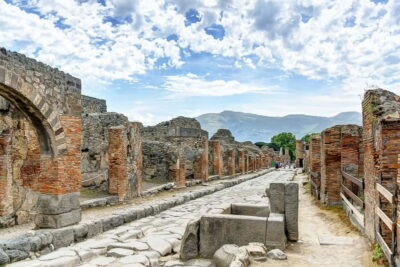
Pompeii’s big appeal is that it preserves ordinary life as much as it preserves monumental buildings. This tour specifically leans into that idea: you’ll learn about day-to-day routines and see remains of shops, houses, and streets that show how the town worked.
A useful way to think about it: Pompeii doesn’t separate life by distance the way many modern cities do. On foot, people of very different social levels were living near each other. On this tour, your guide helps you notice that mix—slaves and ordinary residents alongside very wealthy families—and that makes Pompeii feel unusually human.
In practice, this kind of framing also makes questions easier. If you’re wondering why a space looks the way it does, or how everyday services were organized, your guide is positioned to explain it on the spot rather than dumping generic information at the wrong moment.
If you’re traveling with kids, this style can work well too. One family-focused highlight from the experience is the way guides adapt the level of detail and keep the group involved, including children around 10–11 years old. If you care about the tour being family-friendly, this is the right kind of “talk while you walk” guide format.
Rich houses: living like you own the walls
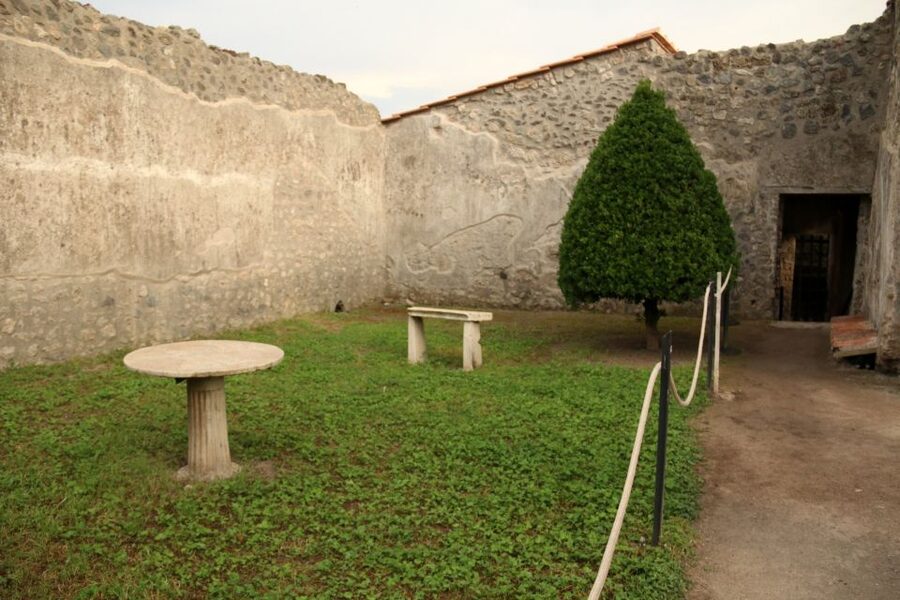
The tour doesn’t treat Pompeii only as a public-city museum. You’ll also visit some of the richest houses, which is key because private homes show what people valued and how they arranged daily comfort.
Here’s what you should watch for when you’re inside these homes (and what a good guide will point out): layout. Pompeian houses weren’t just “bigger versions” of smaller homes. They often showed status through space, decoration, and how rooms were organized for social life and privacy.
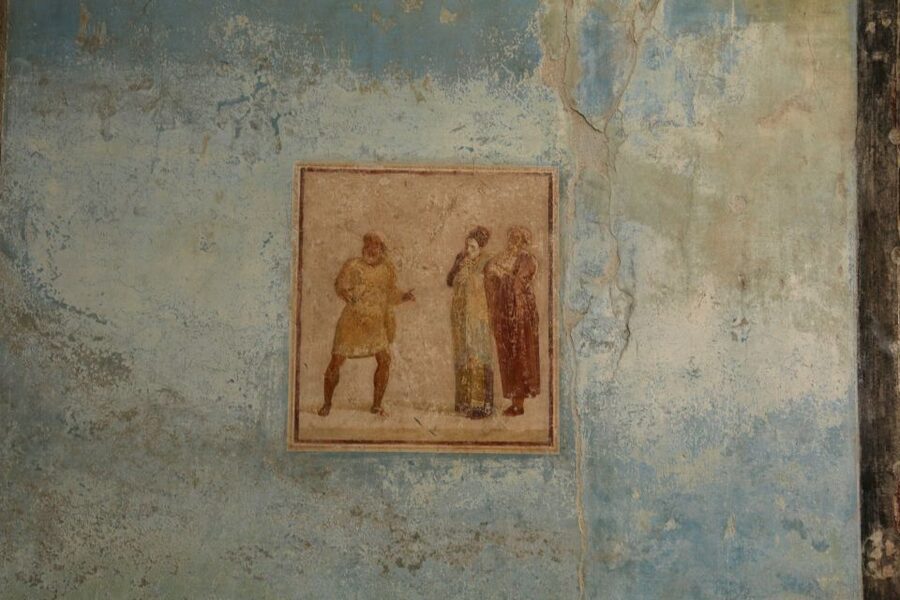
The best part of seeing these houses with a guide is that you get context for the details. Wall surfaces and room functions can feel mysterious if you don’t know what you’re looking at. With explanation, the ruins become legible: you start to understand how people moved through spaces, where they gathered, and what the architecture suggests about lifestyle.
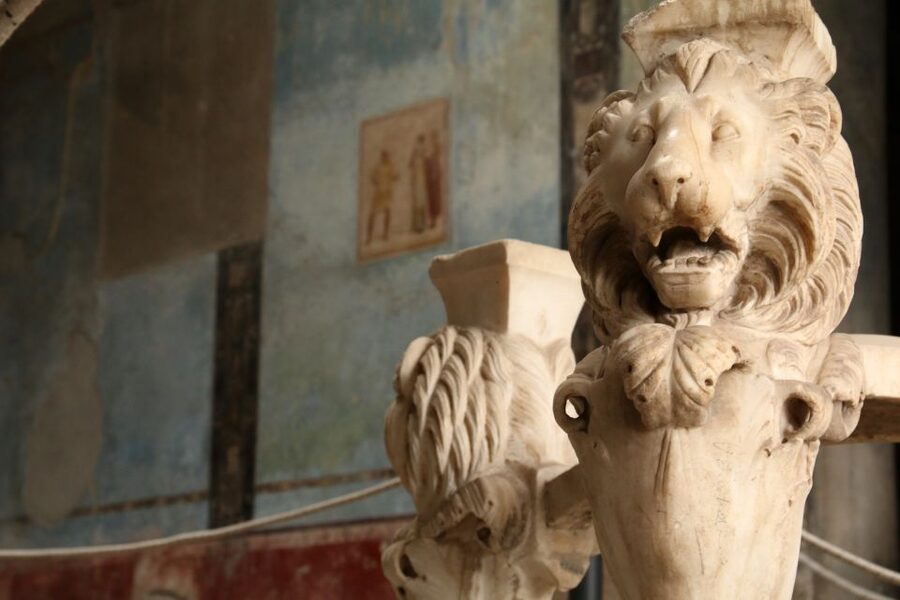
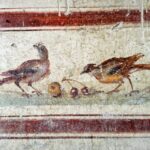
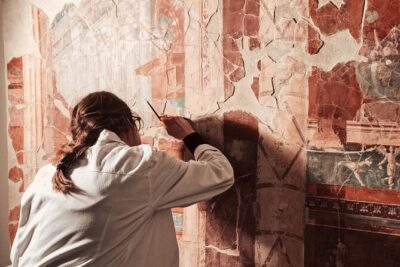
If you’re the type who loves art and craftsmanship, the tour’s emphasis on technical, artistic, and historical aspects helps. It’s the difference between thinking, That’s a pretty wall, and understanding why it was painted, how it was used, and what it signals about the homeowner’s world.
The plaster casts: seeing victims frozen in time
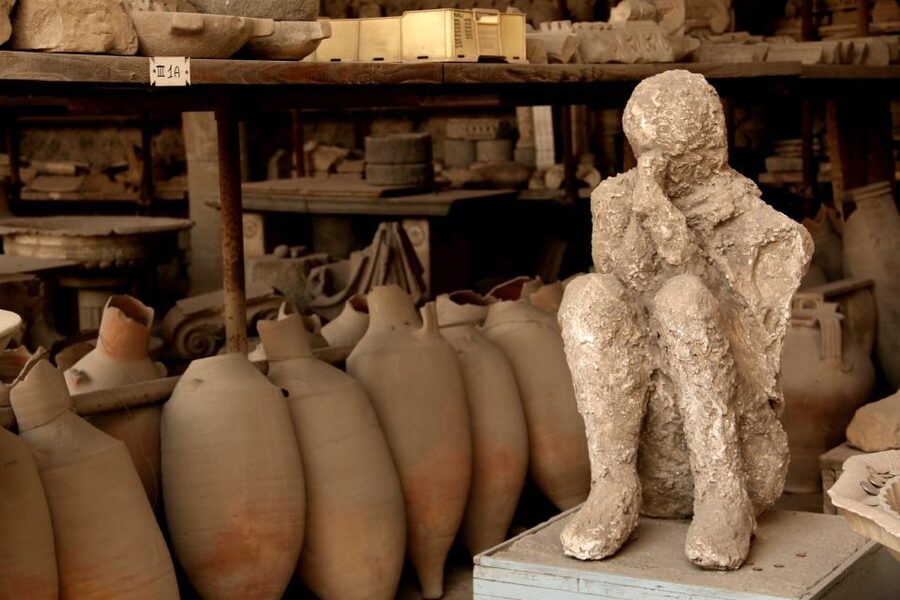
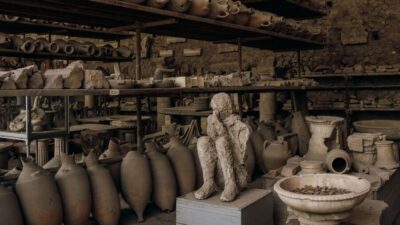
This stop is the emotional heart of many Pompeii visits. Instead of just talking about the eruption of Vesuvius in 79 AD, you’ll see plaster casts of people buried under volcanic ash. It’s a strong reminder that Pompeii isn’t only about architecture.
What makes this part work on a guided tour is how your guide frames it. You don’t just look at bodies and move on—you connect what happened to the site around you. The ruins around the casts don’t feel like random artifacts. They feel like part of the story of a city interrupted.
If you’re sensitive to this subject, plan mentally for it. Give yourself a moment, take your time, and don’t feel rushed. A guide can help you process what you’re seeing and place it in the broader timeline of the eruption.
And if you’re traveling with a group that includes different comfort levels, it can help that some guides have shown willingness to adjust pacing and give space for questions and photos. Even in a short tour, that kind of control helps you feel less like you’re being dragged through an experience.
Skip the ticket line: saving time for the parts you’ll remember
At Pompeii, time can slip away fast. This tour includes entry tickets and is designed for skip-the-ticket-line access, which is a big value if you’re visiting during busy hours. The practical benefit is that you spend your time on the ruins instead of in a queue.
But it also changes your mental experience. When you’re not stressed about waiting, you’re more likely to notice the small details that make Pompeii click: a room’s function, a street’s purpose, or how a forum space signals civic identity.
Also, your guide’s job isn’t only to be friendly—it’s to manage flow. Several experiences highlight how guides know routes that help you move ahead of crowds instead of constantly bumping into bottlenecks. That matters because Pompeii can get crowded quickly, and crowd friction kills the feeling of connection.
Price and value: what $181.26 buys you
The tour price is $181.26 per person for a private 2-hour experience. That sounds steep until you break down what you’re getting:
- Licensed, English-speaking guide (private format)
- Entry tickets included
- A route designed to hit the most important sights in a time-efficient way
- Practical benefits like meeting assistance at Via Villa dei Misteri, plus a smooth start at Scavi Villa dei Misteri
For value, think about the alternatives. If you were to enter on your own, you’d likely spend time figuring out what you’re seeing and where to go next. If you join a larger group, you may get less time for questions and more time being moved along. Here, the private format supports real conversation, and the two-hour pacing is built to avoid wasting your limited time.
If you’re traveling solo, it’s still often worth it if you truly want guided context rather than a self-guided walk. If you’re a couple or a small family, it tends to feel even better because you’re spreading the cost across more people while keeping the experience personal.
What to bring (and what can trip you up)
Pompeii is exposed. Even in daylight, you’ll want to be prepared for sun and walking.
Bring:
- Passport or ID card (especially relevant for those under 18 since it can affect free admittance)
- Comfortable shoes
- Hat and sunscreen
- Water (a bottle for each person is the advice)
- Umbrella
Don’t bring:
- Luggage or large bags. Bags larger than 30x30x15 cm aren’t permitted in the archaeological areas.
The good news is that you can use free cloakrooms at access points. That means you don’t have to worry about traveling light and carrying everything you own. Still, plan to travel with manageable day-bag sizes.
One more important note: the information you have includes conflicting phrasing about accessibility. It lists wheelchair accessibility, but the activity info also says it’s not suitable for wheelchair users and for people with mobility impairments. My practical advice: assume there will be uneven walking and steps, and plan accordingly.
Who this Pompeii tour suits best
This is a strong match for you if:
- You want a short, high-impact Pompeii visit rather than an all-day self-guided exploration
- You like asking questions and getting answers in context
- You want both public life (Forum, temple spaces) and private life (rich houses)
- You want the emotional weight of the plaster casts, with guidance to make it make sense
It might not be the best fit if:
- You need very slow, step-free movement
- You want to spend most of the day wandering beyond highlights
- You’re traveling with larger luggage that you can’t easily store in cloakrooms
Should you book? My straight answer
If you only have a couple of hours and you want Pompeii to feel understandable—not just impressive—this is a smart booking. The combination of private licensed guidance, ticket-included skip-the-line entry, and a route built around the Forum, top houses, and plaster casts is exactly what makes Pompeii rewarding.
I’d book it if your goal is: get oriented fast, see the essentials, and learn what you’re looking at without feeling rushed or lost. For many people, that’s the hardest part of Pompeii. This tour is built to solve it.
If you have mobility limitations or need step-free access, read the accessibility notes carefully and consider whether you’ll be able to manage uneven terrain and prolonged walking. And if you’re hoping for a full “every corner” day, budget time for extra independent exploring after the tour.
FAQ
Where is the meeting point for the Pompeii 2-hour private tour?
Meet in front of the Pompei Villa dei Misteri train station, Via Villa dei Misteri, 1, 80045 Pompeii. The tour starts right there at the station meeting point.
How long is the tour?
The tour runs for 2 hours.
What’s included in the price?
The tour includes a licensed, English-speaking guide and entry tickets.
Does the tour include skipping the ticket line?
Yes, the experience includes skip-the-ticket-line access.
What should I bring with me?
Bring your passport or ID card, comfortable shoes, a hat, sunscreen, and water. An umbrella is also recommended.
Are large bags or luggage allowed inside Pompeii?
No. Luggage or large bags are not allowed, and bags larger than 30x30x15 cm aren’t permitted in the archaeological sites. You can use the free cloakrooms at access points.
More 2-Hour Experiences in Pompeii Archaeological Site
- 2-Hour Private Walking Tour of Pompeii★ 4.7 · 22 reviews
More Tour Reviews in Pompeii Archaeological Site
- Pompeii: Entry Ticket with Optional Audio Guide★ 4.2 · 12,360 reviews
- Pompeii: Archaeological Park Tour with Ticket on request★ 4.5 · 2,283 reviews
- Pompeii Ruins Private Tour with Optional Skip-the-Line Entry★ 4.9 · 732 reviews
- Pompeii: Exclusive Tour with Archaeologist and Entry Tickets★ 4.9 · 634 reviews
- Pompeii: Group Tour with an Archeologist Guide★ 4.4 · 490 reviews
More Private Guides at the Site
- Pompeii Ruins Private Tour with Optional Skip-the-Line Entry★ 4.9 · 732 reviews
- Pompei: Pompeii Private Tour★ 4.8 · 146 reviews
- 2-Hour Private Walking Tour of Pompeii★ 4.7 · 22 reviews
Just reviewed: more Pompeii Archaeological Site tours and day trips

Pompeii Private Guided Tours, compared.
 ★ 4.9Pompeii Ruins Private Tour with Optional Skip-the-Line EntryFrom $254732 reviews
 ★ 5.0Pompeii private tour with an Official GuideFrom $107631 reviews
 ★ 5.0Pompeii Private Tour with an Archaeologist and Skip The Line – 3 hoursFrom $302564 reviews
 ★ 5.0Visit in Pompeii – Pompeii Private Tour with AdaFrom $229436 reviews
 ★ 5.0Pompeii Private Tour with an Archaeologist and Skip The LineFrom $375391 reviews
 ★ 5.0Pompeii Vineyard Escape: Private Wine Tasting & LunchFrom $66329 reviews
 ★ 5.0Private Day Tour to Vesuvius, Herculaneum & Pompeii with Pick UpFrom $120279 reviews
 ★ 5.0Guided Small Group Tour Max 6 People with Private OptionFrom $168269 reviews
Browse the lists this tour appears in