
Reviewed · POMPEII ARCHAEOLOGIST-LED TOURS
2 Hours Private Walking Tour in Pompeii with an Archaeologist
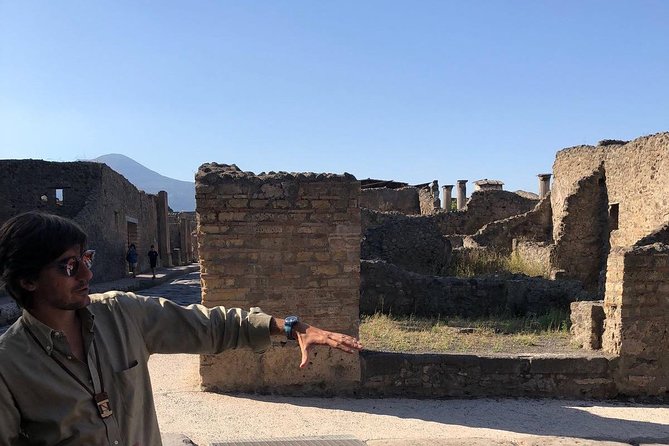
Pompeii hits different when someone explains it. This private 2-hour walking tour in Pompeii pairs a licensed archaeologist guide with a route that mixes the big public sights and the smaller, less-frequented corners of the city. Yana is the kind of guide you want in charge if you like clear context and real details.
What I like most is the balance: you get the headline areas like the Forum, Theatres, Thermal Baths, and the Sacred Area, and you also have time to understand everyday Roman life through stops such as a thermopolium (Roman fast food), bakery, and fabric market spaces. The second big win is personalization—this is a private group (up to 8), so you’re not forced to shuffle along with strangers.
One consideration: the tour is around Pompeii Archaeological Park, and the €20 per person entrance fee isn’t included, so your total cost depends on your group size. Also, it needs decent weather—if it’s canceled for poor conditions, the provider adjusts plans (or offers a full refund).
In This Review
- Key things that make this Pompeii tour worth your time
- Pompeii in Two Hours: what this private archaeologist format really gives you
- Where you meet and how the tour runs (so you don’t waste time)
- Stop 1: the Pompeii Archaeological Park route and how it avoids the obvious trap
- The public areas you’ll understand fast: Theatres, Baths, Forum, Sacred Area
- Theatres
- Thermal Baths
- The Forum (main square)
- Sacred Area
- Beyond the crowds: thermopolium, bakery, fabric market, and houses
- Thermopolium: Roman fast food
- Bakery
- Fabric Market
- Houses
- What makes the pacing work (and how to plan your day)
- Price and value: understanding the €20 entrance fee and group pricing
- Who this Pompeii private walk is best for
- A word about the guide: why Yana’s approach matters
- Should you book this Pompeii private walking tour?
- FAQ
- How long is the private walking tour in Pompeii?
- Is this tour private or shared?
- What’s the group size limit?
- Is the Pompeii entrance fee included?
- Where do we meet for the tour?
- What language is the tour offered in?
- When do I get confirmation after booking?
- What happens if the weather is bad?
Key things that make this Pompeii tour worth your time
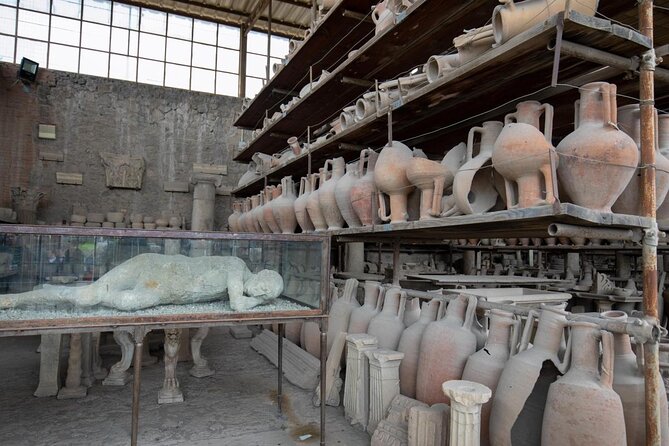
- Licensed archaeologist guide: You’re not just getting a storyteller—you’re getting archaeology-trained interpretation.
- Public landmarks + private spaces: The route includes both major sites and more personal, smaller-scale buildings.
- Roman daily life focus: You’ll look at what people ate, bought, and how they moved through the city.
- Thermopolium stop: A hands-on way to picture everyday meals, not just monuments.
- Private group up to 8: More questions, fewer bottlenecks, and a calmer pace.
- 2 hours, tight and practical: Enough time to get oriented without turning your day into a marathon.
Pompeii in Two Hours: what this private archaeologist format really gives you
Pompeii can feel like a million rooms and streets, and most first-timers end up chasing photos. This tour is designed for the opposite: you get a guided “map in your head” of how the city worked—public spaces first, then the places that show daily habits.
I like that the guide is a licensed expert with a degree in archaeology. That matters. In Pompeii, a lot of the value isn’t just seeing ruins—it’s understanding what you’re looking at and why it was built the way it was. When someone can explain the function of a building (not just its name), your time feels less like sightseeing and more like comprehension.
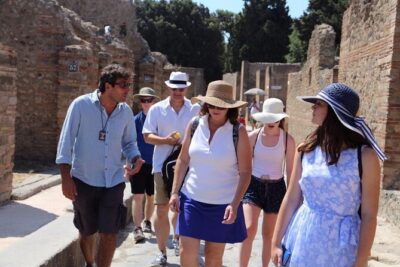
The tour is also private, with your group only. If you’re the type who asks questions, this is a big advantage. A group of up to 8 means the guide can slow down when something clicks—or when you want to understand a detail you notice.
If you’re coming for a short visit, the 2-hour duration is realistic. Pompeii takes time, and walking between major zones isn’t instant. This tour gives you a high-quality slice without pretending you’ll see everything in one go.
More of the site walked with an archaeologist
- Pompeii and Herculaneum Small Group Tour with an Archaeologist
★ 5.0 · 1,350 reviews - Skip the Line Guided Tour of Pompeii led by an Archaeologist
★ 5.0 · 703 reviews - Pompeii Private Tour with an Archaeologist and Skip The Line – 3 hours
★ 5.0 · 564 reviews
Where you meet and how the tour runs (so you don’t waste time)
You’ll meet at Piazza Esedra, 10/13, 80045 Pompei NA, Italy, and the tour ends back at the same meeting point. That back-to-the-start setup is convenient because you’re not stuck figuring out how to get away from the site after the last explanation.
The tour uses a mobile ticket, which is one less thing to manage on a busy day. You also get confirmation after booking, typically within 48 hours and depending on availability. If you’re planning around a fixed schedule, this timing helps you lock in your Pompeii slot.
One more practical note: it’s offered in English, and the experience is marked as suitable for most travelers. Service animals are allowed too, so you’re not forced into awkward workarounds.
You can also choose from several tour times. For Pompeii, this is more than a convenience. Picking a time that fits your day helps you avoid turning the rest of your plans into a scramble.
Stop 1: the Pompeii Archaeological Park route and how it avoids the obvious trap
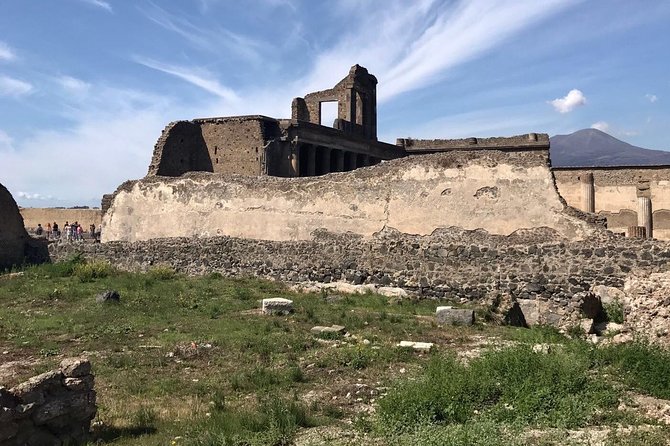
Your main “base” for the tour is Pompeii Archaeological Park. The big idea here is that you won’t only march through the most famous spots. You’ll also have a chance to notice areas that feel more personal—places that can be easier to miss when you’re following a single standard sightseeing loop.
What you’re doing at the park is building a clear picture of Roman city life: where public decisions happened, how people spent their leisure time, and what daily routines looked like when you stepped off the main thoroughfares.
The guide also focuses on both public and more private building types. That’s key to understanding Pompeii as a living city rather than a museum of isolated ruins. The route includes major public zones—then shifts to buildings that reveal how commerce and meals actually worked.
The public areas you’ll understand fast: Theatres, Baths, Forum, Sacred Area
This tour gives you a strong foundation by walking through public spaces that define how Romans gathered, worked, argued, and relaxed.
Theatres
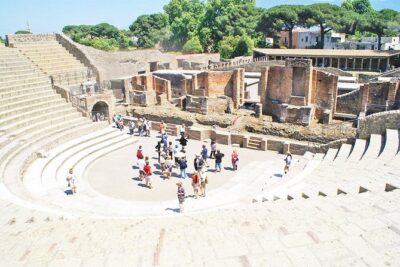
Theatres in Pompeii aren’t just “big rooms.” They help you picture entertainment as a social activity, not a solo hobby. With a trained guide, you should be able to connect the space to what people went there for and how theatre culture fit into city life.
Keep walking the excavated streets
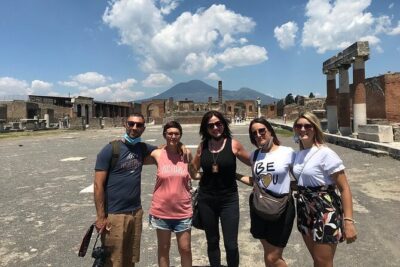

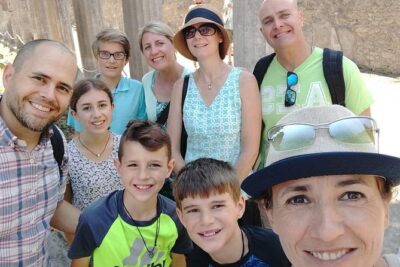
Thermal Baths
Thermal Baths show how daily routines mixed hygiene, relaxation, and social time. Even if you’ve never studied ancient Rome, you can usually understand the layout of bath spaces once you’re told what the different areas were used for. This is one of the easiest parts of the tour to absorb because you can make sense of movement through the complex.
The Forum (main square)
The Forum is where the city’s public life comes into focus. It’s the place that helps you understand civic structure and social energy. If you want your visit to feel grounded in how the city functioned, the Forum is where that happens—especially when explained in plain language rather than lecture mode.
Sacred Area
The Sacred Area helps you see religion as part of everyday routine, not only something distant. When a guide connects religious sites to how people behaved and gathered, Pompeii stops feeling like a bunch of stone fragments and starts behaving like a city.
The value of these public stops is that they give you landmarks you can remember. After 2 hours, you’ll still be thinking: “Okay, I know where I am and what this place meant.”
Beyond the crowds: thermopolium, bakery, fabric market, and houses
Here’s where this tour feels different from a basic highlights walk: you don’t only see the “pretty” public ruins. You also get into the spaces that show commerce and everyday needs.
Thermopolium: Roman fast food
A thermopolium is a stop you can actually picture. It’s essentially a Roman-style spot for quick food—like a predecessor to modern takeaway. When you see one explained on-site, it changes how you imagine daily life. Suddenly you can think about who ate there, what kind of meals were available, and why these spots mattered in a busy city.
Bakery
The bakery stop reinforces the idea that the city ran on systems. Food wasn’t an abstract concept—it was produced, sold, and eaten by regular people. A guide’s archaeology training helps you connect the physical layout to function, which is usually what makes or breaks this kind of stop.
Fabric Market
A fabric market is great for understanding the economy beneath the drama. Clothes show status, identity, and work. Even without getting too technical, you can usually connect why fabric mattered to a city like Pompeii and how commerce kept everyday life moving.
Houses
Then you shift into the idea of private living. Houses help you understand that Pompeii wasn’t only public rituals and entertainment. It was also domestic life: routines, spaces, and the kind of privacy that wasn’t absolute, but still shaped daily behavior.
This mix of building types is why the “daily life” angle is more than marketing. You’re not just being told what existed—you’re learning what those spaces likely did for real people.
What makes the pacing work (and how to plan your day)
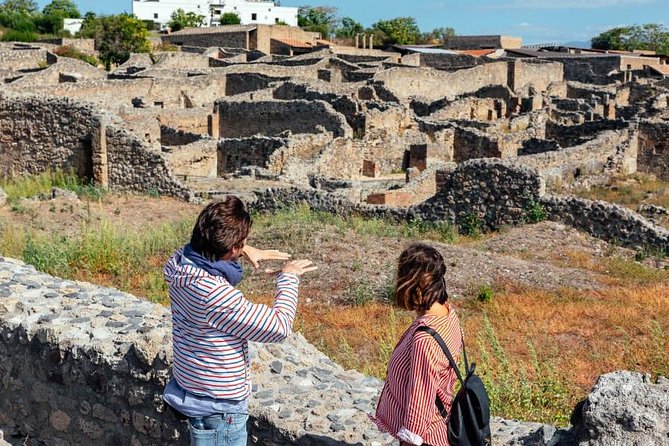
A 2-hour tour can feel short in a place that’s physically huge. But Pompeii’s ruins are dense, and walking between zones takes effort. This tour structure keeps the session focused on the areas that help you build a coherent understanding quickly.
In your planning, think of this tour as your orientation and context session. After it, you’ll be more capable of exploring on your own because you’ll recognize what you’re seeing and what category it belongs to—public gathering, leisure, civic space, or everyday commerce and home life.
What I’d plan around it:
- If you have more time, schedule this early in your day so you can use the mental map later.
- If you only have a short stay, this tour is a strong use of time because it targets the most meaningful areas without pretending it covers everything.
Price and value: understanding the €20 entrance fee and group pricing
The tour price is $336.43 per group (up to 8) for about 2 hours. That’s the kind of pricing that can be either a bargain or a splurge depending on your group size.
Here’s the practical way to think about value:
- If you’re traveling as a small group (say 2–4 people), the cost per person rises.
- If you bring more people up to the group cap, the cost per person can look much more reasonable.
- The guide’s expertise matters here: you’re paying for interpretation from a licensed archaeologist guide, not just a “walk and point” experience.
Also note the entrance fee: €20 per person isn’t included. So your total day cost is the group price plus the park ticket for each person. If you’re comparing options, don’t forget that step—Pompeii admissions can change your final total faster than you expect.
Who this Pompeii private walk is best for
This tour is a great fit if you:
- Want Pompeii context, not just a checklist of famous spots
- Like archaeology explanations that connect buildings to daily life
- Prefer a private pace where you can ask questions
- Are short on time but still want both public landmarks and everyday-use spaces
It may be less ideal if you want long, independent wandering with no structure. This tour isn’t a “free roam” pass. It’s a guided route with a clear purpose, and it works best when you’re happy to follow that flow.
A word about the guide: why Yana’s approach matters
One name comes up with strong energy: Yana. When a guide can keep things clear and focused, Pompeii becomes easier to hold in your head. You don’t just walk through ruins; you understand what you’re looking at while you’re standing there.
You should expect a straightforward, explain-what-you-see approach, especially because the guide is archaeology-trained and not just a narrator. That combination is what turns “I saw a site” into “I understood the city.”
Should you book this Pompeii private walking tour?
I’d book it if you want a smart use of limited time and you care about real interpretation. The combination of a licensed archaeologist guide, a private group up to 8, and a route that blends public landmarks with everyday spaces like a thermopolium is exactly the kind of Pompeii experience that pays off.
I’d think twice if your visit is extremely weather-dependent. This experience requires good weather, and if conditions are poor, you’ll need to accept a date change or a full refund.
If you’re planning Pompeii as a once-in-a-lifetime stop—or you just want to get the most from a short schedule—this one is a solid choice.
FAQ
How long is the private walking tour in Pompeii?
It lasts about 2 hours.
Is this tour private or shared?
It’s private. Only your group participates.
What’s the group size limit?
The price is per group for up to 8 people.
Is the Pompeii entrance fee included?
No. The Pompeii Archaeological Park entrance fee is €20.00 per person and is not included.
Where do we meet for the tour?
The start point is Piazza Esedra, 10/13, 80045 Pompei NA, Italy. The tour ends back at the meeting point.
What language is the tour offered in?
It’s offered in English.
When do I get confirmation after booking?
Confirmation is received within 48 hours of booking, subject to availability.
What happens if the weather is bad?
The tour requires good weather. If it’s canceled due to poor weather, you’ll be offered a different date or a full refund.
If you want, tell me your group size and when you’re visiting, and I’ll help you think through whether the per-group pricing is likely to be a good deal for your specific setup.
More Private Guides at the Site
- Pompeii private tour with an Official Guide★ 5.0 · 631 reviews
- Pompeii Private Tour with an Archaeologist and Skip The Line – 3 hours★ 5.0 · 564 reviews
- Visit in Pompeii – Pompeii Private Tour with Ada★ 5.0 · 436 reviews
- Pompeii Private Tour with an Archaeologist and Skip The Line★ 5.0 · 391 reviews
- Pompeii Vineyard Escape: Private Wine Tasting & Lunch★ 5.0 · 329 reviews
Still in the Ruins? Keep Walking
- Pompeii 3 Hours Walking Tour Led by an Archaeologist★ 5.0 · 126 reviews
- Explore Pompeii: 2-Hour Guided Walking Tour with Included Ticket★ 4.5 · 77 reviews
- Pompeii: walking tour with 3D glasses and with entrance ticket★ 4.5 · 61 reviews
- Pompeii walking tour★ 5.0 · 29 reviews
- Small Group Guided Walking Tour of Ancient Pompeii Highlights★ 5.0 · 27 reviews
More Tours Led by an Archaeologist
- Pompeii Small Group Tour with an Archaeologist★ 5.0 · 6,593 reviews
- Pompeii and Herculaneum Small Group Tour with an Archaeologist★ 5.0 · 1,350 reviews
- Skip the Line Guided Tour of Pompeii led by an Archaeologist★ 5.0 · 703 reviews
- Pompeii Private Tour with an Archaeologist and Skip The Line – 3 hours★ 5.0 · 564 reviews
- Pompeii Skip-the-line Tour with Archaeologist Guide★ 5.0 · 559 reviews
Just reviewed: more Pompeii tours and day trips




Pompeii Archaeologist-Led Tours, compared.
 ★ 4.8Entry Ticket and Guided Tour with an ArchaeologistFrom $3519,459 reviews
 ★ 4.8Small Group Tour with an ArchaeologistFrom $4012,264 reviews
★ 5.0Pompeii Small Group Tour with an ArchaeologistFrom $356,593 reviews
 ★ 5.0Pompeii and Herculaneum Small Group Tour with an ArchaeologistFrom $771,350 reviews
 ★ 5.0Skip the Line Guided Tour of Pompeii led by an ArchaeologistFrom $95703 reviews
 ★ 4.9Exclusive Tour with Archaeologist and Entry TicketsFrom $50634 reviews
 ★ 5.0Pompeii Private Tour with an Archaeologist and Skip The Line – 3 hoursFrom $302564 reviews
 ★ 5.0Pompeii Skip-the-line Tour with Archaeologist GuideFrom $71559 reviews
Browse the lists this tour appears in