
Reviewed · MOUNT VESUVIUS CRATER HIKES
Wine Tasting and Winery Tour in Vesuvio National Park with Lunch
Volcanic vines make wine taste like a place. This Pompeii-area stop takes you into a Vesuvius UNESCO Biosphere winery where you walk the vineyard, tour a cellar carved from lava rock, and enjoy 4 wine tastings matched with Neapolitan dishes. I especially liked the hosted pairings that explain what you’re tasting and how the volcanic setting affects it, and I also loved the practical feel of a real family operation rather than a show.
The main thing to plan for: you’ll likely need your own way to get from the meeting point to the winery area, since the tour doesn’t provide a built-in transport service. The experience runs about 2 hours and keeps the group small, but the location itself is not right in the center of Pompeii.
In This Review
- Key things I’d circle before you go
- Volcanic wine in the Vesuvius UNESCO Biosphere
- Where the tour starts (and why it affects your day)
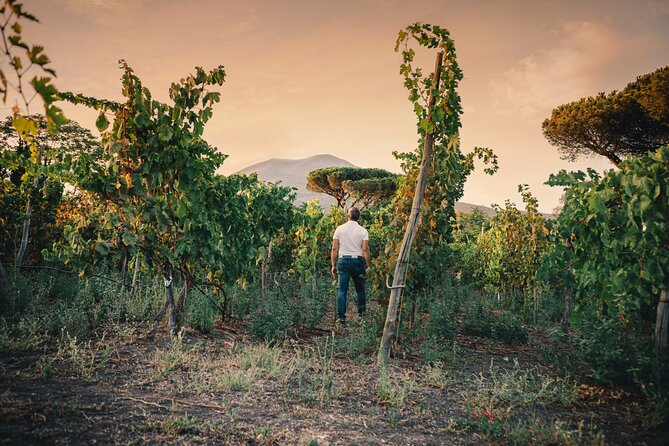
- Vineyard walk: organic vines shaped by altitude and exposure
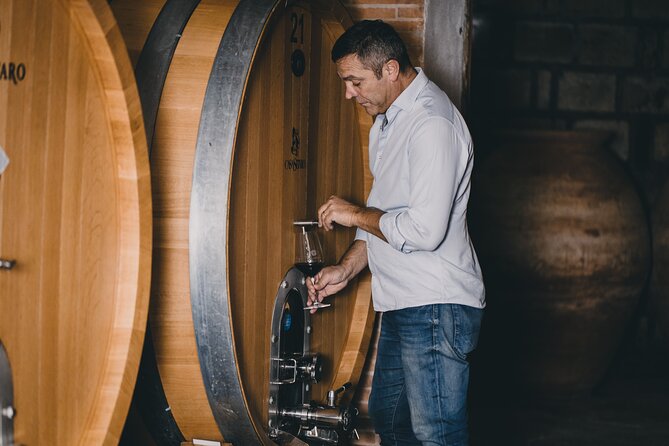
- The lava-stone cellar tour and why it matters for your tasting
- Lunch and pairing: 4 wines matched with 4 Neapolitan dishes
- What you’ll taste: Aglianico, Falanghina, Piedirosso, and the Caprettone angle
- Small group energy (and what it means for you)
- Price and value: what $79.94 buys you in real terms
- Should you book this Vesuvius winery tasting?
- FAQ
- How long is the wine tasting and winery tour?
- What’s included in the experience?
- Where does the tour start and end?
- How many people are in the group?
- Which wines and grape varieties are mentioned?
- What’s the cancellation policy?
Key things I’d circle before you go
- Vesuvius National Park setting: a family winery inside the UNESCO Biosphere Reserve area, on volcanic soils.
- A true vineyard walk: you’ll stroll through organically cultivated vines on different exposures and altitudes.
- Volcanic geology inside the cellar: the wine cellar is carved from lava stone, tying the story to the production.
- 4 wines + 4 Neapolitan dishes: a structured tasting from rosé through reds, paired to match.
- Native grape focus: Aglianico, Falanghina, Piedirosso, plus the rare Caprettone vine that grows only here.
- Small group size: capped at 10 people, so the host can actually talk to you.
Volcanic wine in the Vesuvius UNESCO Biosphere
If you’ve only seen Vesuvius from afar, this is a way to experience the real working side of the mountain. The winery sits inside the Vesuvius National Park area, which is recognized as a UNESCO Biosphere Reserve (since 1995). That matters because you’re not just visiting a pretty property—you’re stepping into a protected landscape where the growing conditions drive the character of the wine.
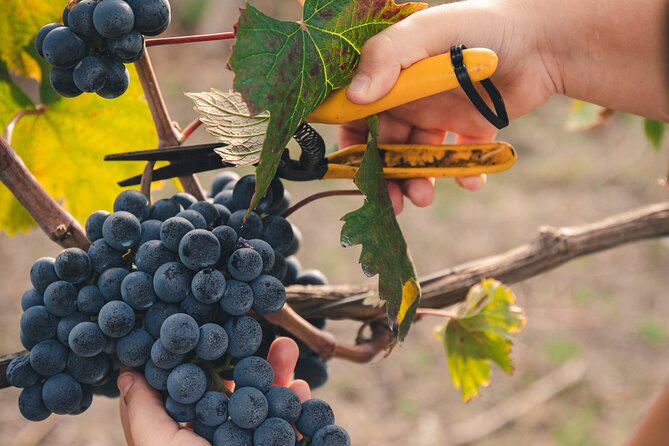
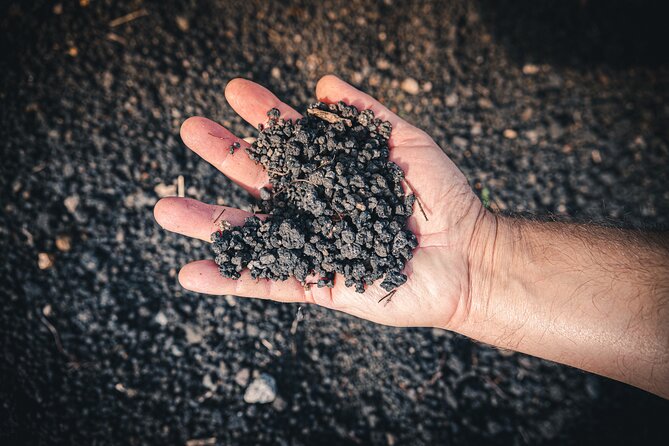
This tour is designed to connect the dots between geography and flavor. You’ll learn how volcanic soils at different altitudes and exposures shape the vineyards, and you’ll see how that same volcanic influence shows up again after harvest, inside the production spaces. The winery also uses organically cultivated vines planted in 12 hectares, featuring native varieties like Aglianico, Falanghina, and Piedirosso.
One detail I think you’ll appreciate: the winery’s buildings were part of the family house and sit below the ground layer. With the way the volcanic rock behaves after a major eruption, the space benefits from naturally favorable temperature and humidity for winemaking. That’s the kind of “place-based” fact that makes a tasting feel more grounded, and less like you’re just sampling a lineup with no context.
This is also a solid choice if you want something beyond Pompeii’s ruins but still close enough to fit into a Pompeii day. You’re not getting a long bus ride or a full-day detour. The total experience is about 2 hours, and the group stays small.
More climbs up to the crater rim
- Private Day Tour to Vesuvius, Herculaneum & Pompeii with Pick Up
★ 5.0 · 279 reviews - Pompeii and Mount Vesuvius Small Group Tour
★ 4.5 · 233 reviews - Mount Vesuvius Tour from Pompeii Led by an Expert Guide
★ 5.0 · 185 reviews
Where the tour starts (and why it affects your day)
The experience starts at Via Cifelli, 10, 80040 Trecase (NA), Italy at 12:00 pm, and it ends back at the same meeting point. That means your day needs a little logistics thinking. If you’re basing yourself near Pompeii, you’ll want to plan how you’ll get to Trecase and then be ready to return at the end.
Most people can participate, and the format is straightforward: a short walk, a cellar visit, and tastings with lunch included. But your biggest practical variable is simply getting there. One concern that comes up for this kind of tour is that the winery isn’t on a convenient street corner. Since the tour ends back where it began, you’ll want a transport plan that doesn’t rely on last-minute changes.
My advice: if you’re driving or taking local transit, give yourself extra buffer time. Show up early enough to settle in before the tasting begins, because once you’re in the flow, you won’t want to be late while everyone else is already starting the tour.
Also, keep in mind that the tour uses a mobile ticket, so have that ready on your phone. Confirmation is sent at booking. Small details like this don’t sound important—until you’re standing there with a dead battery.
Vineyard walk: organic vines shaped by altitude and exposure
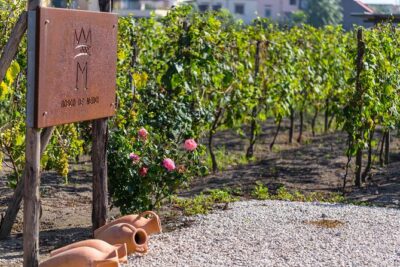
The tour’s first real “wow” moment is stepping into the vineyard area. You’re not looking at a distant view from a viewpoint—you’re walking through the grapes’ actual home. The winery cultivates 12 hectares organically, with vines grown on volcanic soils at different altitudes and exposures.
That’s more than a technical statement. It’s a clue about why the wines can taste distinct even within the same overall region. Altitude changes how grapes ripen and how they hold onto freshness. Exposure affects sun and wind exposure. On volcanic ground, you also get a different mineral and drainage profile than you’d find on richer, non-volcanic soils.
What you’ll likely enjoy most is hearing why native grapes matter here. You’ll be introduced to the main varieties planted in the vineyards: Aglianico, Falanghina, and Piedirosso. These aren’t random labels chosen just for marketing. They’re varieties that match the local conditions and farming approach.
Then there’s the real conversation starter: Caprettone, described as rare and precious and known to grow only here. When a winery includes a vine like that, it usually means the winemaking identity is tied to local character rather than international trends. Even if you don’t remember every term, you’ll remember the feeling of tasting something that belongs to this mountain.
The walk is also a nice pacing break if you’ve already spent time around Pompeii’s archaeological sites. It’s calmer, more open-air, and it shifts your brain from stone history to living agriculture.
The lava-stone cellar tour and why it matters for your tasting
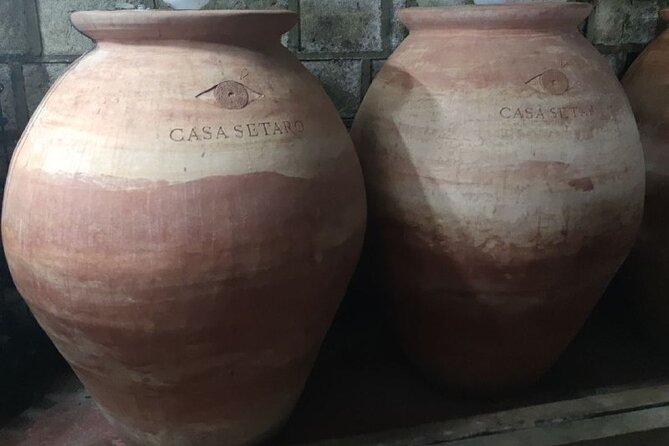
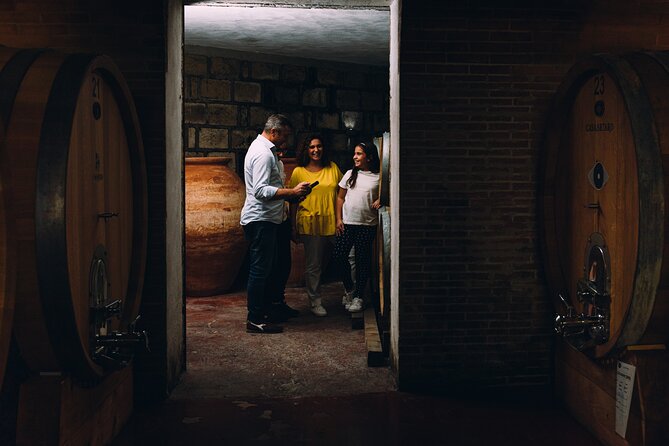
After the vineyard portion, the experience moves into the wine cellar. This is where the tour becomes more than “walk, taste, drink, done.” The cellar is described as being dug out of lava stone from the last great eruption of Vesuvius. That’s not just a fun fact. It connects directly to how wine can be handled during fermentation and vinification.
Inside, you’ll learn about the production process and the spaces used for it, including large steel vats and fermentation in amphora. Amphora fermentation isn’t about romance—it’s about letting winemakers explore different texture and flavor development, and how the vessel interacts with the wine during fermentation.
The volcanic rock also plays a role through environmental stability. The winery’s location below the family house benefits from naturally favorable temperature and humidity. In plain terms: that kind of stable environment can help the production process stay consistent from batch to batch. Even if you don’t geek out on cellar conditions, you’ll likely appreciate the logic behind why the cellar is where it is.
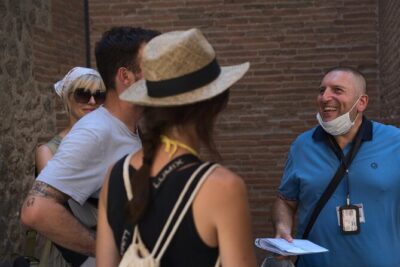
This is also where a good host can make your experience feel personal. One name you may hear is Marco, who is credited with being a fantastic host and with making the vineyard history and pairings feel informative rather than scripted. If you get someone like Marco, the cellar tour stops being a quick hallway stop and turns into a clear story you can taste.
Lunch and pairing: 4 wines matched with 4 Neapolitan dishes
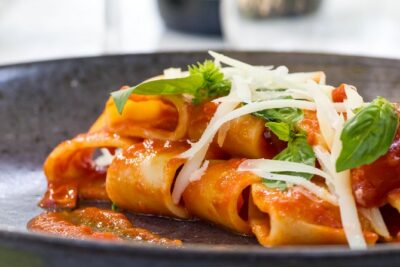
Your tasting portion includes 4 wines, moving from rosé to reds, paired with 4 Neapolitan dishes. The structure is important. It turns the lunch into more than just food, and it gives you a reason to pay attention to flavor changes across the flight.
The wines highlighted include Lacryma Christi. That name signals the local identity of this volcanic zone, and it’s a great choice to taste because it’s tied to the region rather than a generic “Italian red.” As you move through the lineup, you’ll be able to notice how acidity, fruit tone, and texture shift when you pair wine with local flavors.
Food pairing is also one of the strongest reasons to book this instead of simply visiting a wine bar on your own. The dishes are chosen to match the wines in the flight, so each glass has a job. You’re not just drinking and hoping something works—you’re learning what tastes are meant to go together.
And the lunch aspect matters because it makes the whole experience more comfortable. A wine tasting without food can feel a little heavy or one-note. Here, you get meals built into the format, so you can slow down and actually enjoy the pacing.
One thing I’d watch for: you’ll likely be in tasting mode for the whole session. That’s fine, but if you’re planning more after, keep the rest of your day low-key. You’ll enjoy the experience more with time to digest and reflect rather than trying to sprint into another major stop immediately.
More wine grown on the volcano slopes
What you’ll taste: Aglianico, Falanghina, Piedirosso, and the Caprettone angle
This tour’s wine lineup is tied to the vineyards’ native grape list. Here’s what those names generally signal about what you’re in for, and why you’ll want to pay attention even if you’re not a wine expert.
Aglianico is typically known for structure and depth, often showing more intensity in reds. If your flight includes an Aglianico-based red, it’s a good candidate for food pairing, especially with richer or savory Neapolitan-style flavors.
Falanghina often brings a brighter, more lifted side, which can work nicely with lighter dishes or as a contrast as you transition from rosé toward reds. If you like wines that feel fresh and not overly heavy, this grape can be a highlight.
Piedirosso is another native variety that’s worth tasting in this context because it shows what local growers can do with grapes that may not be as famous internationally. When you taste it in the setting of a volcanic, organically farmed vineyard, the experience feels more rooted than a generic tasting room sampler.
Then there’s Caprettone, rare and precious in this area. If you encounter it as part of the tasting lineup, don’t just treat it like a novelty. Treat it like a window into how place-based cultivation creates differences you can actually notice. Even if it’s subtle, it’s the kind of detail that makes you remember the tour later.
Also, keep an eye on the Lacryma Christi focus. It’s not a random brand choice. It’s tied to the terroir identity of the Vesuvius slopes and the wine tradition that developed there.
Overall, this flight is a good match for people who want to learn without getting trapped in jargon. The goal is for you to leave understanding what you tasted and why it paired well.
Small group energy (and what it means for you)
This activity caps at 10 travelers, and that’s a big deal for a tasting tour. In bigger groups, wine tasting can turn into a race: sip, nod, move on, repeat. With a small group, the host can actually guide you through the story behind each step.
You also tend to get better questions answered. If something about volcanic soils, organic cultivation, or the cellar process is confusing, you’re more likely to get a clear explanation instead of a quick one-liner while everyone else shifts forward.
The host-driven nature is a big part of why people rate this tour highly. Marco, in particular, is praised for being a fantastic host—focused on making the history of the vineyard make sense and on helping pairings land in a way that feels inspiring instead of mechanical.
If you’re the kind of traveler who likes hands-on experiences—walking vineyards, seeing fermentation spaces, tasting with guidance—this group size will suit you.
Price and value: what $79.94 buys you in real terms
At $79.94 per person, you’re paying for a structured experience that covers far more than “a couple glasses and some snacks.” In that 2-hour window, you get:
- A vineyard walk in an organically cultivated vineyard area
- A cellar visit tied to lava rock and the production process
- A tasting flight of 4 wines (including rosé to reds)
- A matched lunch of 4 Neapolitan dishes
When I judge value for wine tours, I ask one question: are you paying for wine only, or for a whole guided production-and-pairing experience? Here, the price looks closer to the second category. You’re getting a coherent program—tasting tied to vineyard conditions and backed by an explanation of how the cellar environment supports vinification and fermentation.
Compare that to a basic wine bar tasting elsewhere where you might pay for wine but have to figure out pairings, context, and geography yourself. This tour does that work for you, which is what you’re really buying.
One caution: since the meeting point is in Trecase and the experience ends where it started, make sure your transport plan doesn’t add extra costs or stress. A tour that’s “worth it” on paper can feel less worth it if getting there eats your time.
Should you book this Vesuvius winery tasting?
Book it if you want a Pompeii-area experience that’s genuinely about the wine and the volcanic setting, not just a quick pour. It’s especially good for you if you like small-group tours, guided pairings, and learning why a place produces the wines it does.
Skip it (or at least think hard) if your biggest priority is easy logistics from central Pompeii. The tour starts in Trecase, and you may need to arrange your own transport to reach the winery area.
If you’re already doing Pompeii’s archaeology and want something that balances stone history with living agriculture, this is a smart add-on. You’ll leave with a clearer picture of Vesuvius as more than a viewpoint—and you’ll taste wines shaped by volcanic soils, from Lacryma Christi style bottles to the native grape story that makes this region so specific.
FAQ
How long is the wine tasting and winery tour?
The tour lasts about 2 hours.
What’s included in the experience?
You get a winery visit that includes walking in the vineyard and touring the cellar, plus tasting 4 wines paired with 4 Neapolitan dishes, including a rosé-to-red flight.
Where does the tour start and end?
It starts at Via Cifelli, 10, 80040 Trecase NA, Italy at 12:00 pm and ends back at the same meeting point.
How many people are in the group?
The group is capped at a maximum of 10 travelers.
Which wines and grape varieties are mentioned?
The tasting includes Lacryma Christi wines, and the vineyards include native varieties such as Aglianico, Falanghina, Piedirosso, and Caprettone (rare and precious, said to grow only here).
What’s the cancellation policy?
Free cancellation is available up to 24 hours before the experience start time for a full refund. If you cancel less than 24 hours before, the amount paid isn’t refunded.
More Tour Reviews in Pompeii
- Pompeii Small Group Tour with an Archaeologist★ 5.0 · 6,593 reviews
- Discover the Ancient Ruins of Pompeii: Day Trip from Rome★ 3.5 · 2,247 reviews
- Pompeii and Herculaneum Small Group Tour with an Archaeologist★ 5.0 · 1,350 reviews
- Skip the Line Guided Tour of Pompeii led by an Archaeologist★ 5.0 · 703 reviews
- Pompeii Ticket + Tour with Optional Tasting Experience at Pompeii★ 5.0 · 663 reviews
Wine on the Volcano, More to Pour
- Pompeii Tour & Lunch with Wine Tasting Experience★ 5.0 · 383 reviews
- Pompeii Vineyard Escape: Private Wine Tasting & Lunch★ 5.0 · 329 reviews
- Pompeii Guided Tour & Lunch with Superior Wine Tasting★ 5.0 · 86 reviews
- Private Pompeii Tour with Organic Wine Tasting & Lunch★ 5.0 · 84 reviews
- Explore Pompeii: Private Tour, Wine Tasting & Lunch★ 5.0 · 49 reviews
Vesuvius, More Climbs to the Rim
- Pompeii Guided Tour & Horse Riding on Vesuvius with Lunch★ 5.0 · 419 reviews
- Private Day Tour to Vesuvius, Herculaneum & Pompeii with Pick Up★ 5.0 · 279 reviews
- Pompeii and Mount Vesuvius Small Group Tour★ 4.5 · 233 reviews
- Mount Vesuvius Tour from Pompeii Led by an Expert Guide★ 5.0 · 185 reviews
- Horseback Riding on Vesuvius★ 5.0 · 144 reviews
Just reviewed: more Pompeii tours and day trips
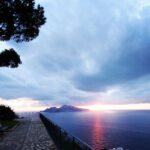
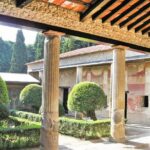

Mount Vesuvius Crater Hikes, compared.
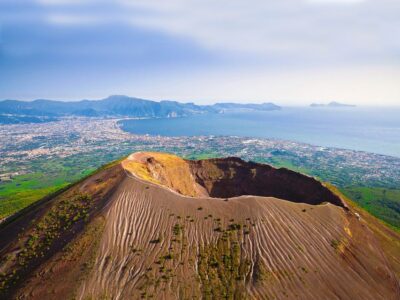 ★ 4.2From Pompeii: Bus Transfer to Vesuvius with Park Entry FeeFrom $50700 reviews
 ★ 4.2From Naples: All-Inclusive Mount Vesuvius Half-Day TourFrom $75674 reviews
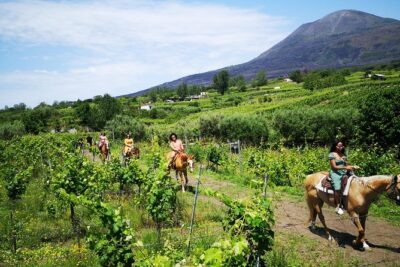 ★ 5.0Pompeii Guided Tour & Horse Riding on Vesuvius with LunchFrom $240419 reviews
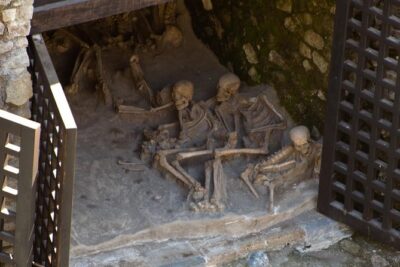 ★ 5.0Private Day Tour to Vesuvius, Herculaneum & Pompeii with Pick UpFrom $120279 reviews
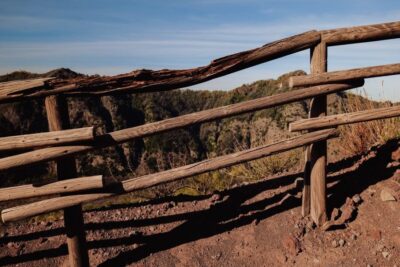 ★ 4.8From Pompeii: Mount Vesuvius Guided Tour with TransferFrom $77255 reviews
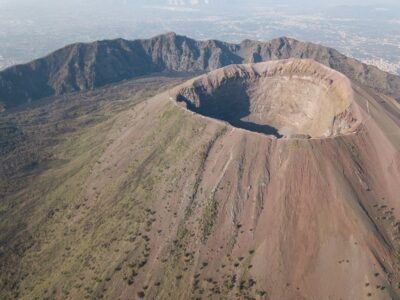 ★ 4.2Day Tour of Pompeii and Vesuvius with Bus Transfer250 reviews
 ★ 4.5Pompeii and Mount Vesuvius Small Group TourFrom $119233 reviews
 ★ 4.2Naples: Herculaneum and Vesuvius Day TripFrom $135200 reviews
Browse the lists this tour appears in