

Reviewed · POMPEII SKIP-THE-LINE ENTRY
Pompeii: Skip-the-Line Entrance Ticket with Audio Guide
Pompeii is easier when you skip the ticket line. This Pompeii skip-the-line experience gets you inside with an audio guide and map, so you can steer your own day through a UNESCO World Heritage site that feels too big for a casual wander. The ruins hit hard: you’ll spend time with centuries-old frescoes, Roman public spaces like the amphitheater, and places that show how people lived and ate before the eruption.
Two things I really like are the freedom of going at your own pace and the practical setup (audio guide plus map) for navigating a site that can feel like a maze under the sun. One thing to think through: you’ll need to bring and manage your own headphones, and it can still get busy near entry—so plan for heat, limited shade, and a little on-site logistics time.
In This Review
- Key Highlights at a Glance
- Skip-the-Line Entry: What It Really Buys You
- Where You Exchange Your Voucher (and Why It Matters)
- Getting the Audio Guide and Map: The Part People Trip Over
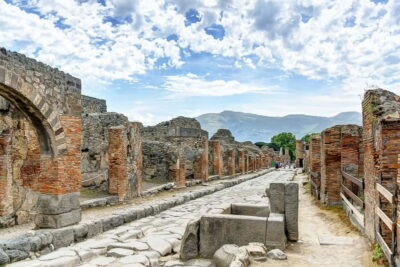
- Pompeii’s Main Sights You’ll Want to Hit
- The Roman Amphitheater
- The Small Theater
- The Public Gym
- Where Romans Lived and Held Banquets
- Frescoes, Emotion, and the Recreated Scenes
- Timing Your One-Day Visit: Beat Heat and Crowds
- What About Upgrades and Live Guides?
- Group Feel Without the Group Chaos
- Practicalities You Should Not Ignore
- You can’t bring large bags
- Food and drinks aren’t included
- Headphones are on you
- The site can be confusing without a map
- Is This Pompeii Ticket Good Value at $39.97?
- Who This Experience Suits Best
- Should You Book This Pompeii Skip-the-Line Ticket with Audio?
- FAQ
- Where do I exchange my voucher for this Pompeii ticket?
- What’s included with the ticket?
- Do I need to bring headphones?
- Is food or drink included?
- Are luggage or large bags allowed?
- What languages is the audio guide available in?
- Are there any age-based entry notes?
- How long is the experience?
- Can I cancel for a refund?
Key Highlights at a Glance

- Skip-the-line entrance saves time at the most stressful moment of your day
- Audio guide in multiple languages helps you connect the ruins to real Roman life
- Map included keeps you oriented in a huge, interconnected site
- Top Pompeii stops are covered like the Roman amphitheater, small theater, and public gym
- Frescoes and recreated scenes (including casts of people and pets) give the story an emotional punch
- Most of the experience is self-guided so you can linger where you care most
Skip-the-Line Entry: What It Really Buys You

Pompeii draws crowds. Even when the ticket line is moving, standing around while the heat builds can make the whole trip feel slower than it needs to be. This ticket’s main value is simple: it’s designed to get you past that bottleneck and into the site so you can spend your energy where it matters—walking among the ruins.
In practice, you’ll still want to arrive with a clear plan. One review noted that there was still a bit of queuing to access the site, which is normal given visitor numbers. The difference is you’re not stuck at the ticket office. That’s a big deal when you’re doing Pompeii in one day and want to actually see things.
Also, you’re not stuck in a fixed group schedule. This is self-paced. You can start early, focus on the big sights first, then slow down for the details—like wall paintings and everyday-life spaces—when your feet and attention catch up.
More ways past the ticket queue
- Pompeii: Skip-the-Line Entrance Ticket with Audio Guide
★ 4.0 · 2,509 reviews - Pompeii: Guided Tour with Skip-the-Line Entry
★ 4.9 · 812 reviews - Pompeii: Skip-the-Line Entry Ticket with Digital Guide App
★ 4.1 · 770 reviews
Where You Exchange Your Voucher (and Why It Matters)
Your day starts before Pompeii. You exchange your voucher at the activity provider’s office on the first floor of Circumvesuviana train station (Via Villa dei Misteri, 1, 80045 Pompei NA, Italia).
This is useful information for two reasons:
- It reduces guesswork. The meeting point is right there with the trains.
- It sets your timing. You can line up your Pompeii entry around how crowded the station area feels.
Parking can be an extra headache in Pompeii. If you’re driving, there’s a note that you might be able to enjoy free parking at Osteria Nonna Cherubina (Via Andolfi 46, 80045 Pompei) if it’s open and available. Don’t count on it, but it’s worth knowing you might have an option beyond street parking chaos.
One small practical detail: your activity ends back at the meeting point, so keep that in mind when planning trains or other activities after your Pompeii visit.
Getting the Audio Guide and Map: The Part People Trip Over

The ticket includes an audio guide and a map, but you still have to use them correctly. Some reviews were smooth—pick up the guide quickly and get moving. Others mentioned confusion about where to access the audio guide once inside.
Here’s how to make it easy on yourself:
- Plan to exchange your voucher first (don’t try to “hunt” for the audio guide without going through the provided collection point).
- Bring headphones. A headset is not included, and the instructions explicitly say to bring headphones.
- If you use a phone-based audio guide setup, consider having the right kind of wired earphones or any adapter you need. One review even recommended an aux cable earphone since it can be handy with a phone-style audio device.
Even if you don’t listen to every minute, the audio guide does one key job: it helps you understand what you’re looking at. Pompeii isn’t just pretty rubble. It’s a city. Without context, you can end up walking past important spaces without realizing why they mattered.
Pompeii’s Main Sights You’ll Want to Hit
The ruins cover a lot of ground, so having a ticket that highlights the essentials is a big help. The audio guide and self-guided route are geared toward the kinds of places most people come to see, including:
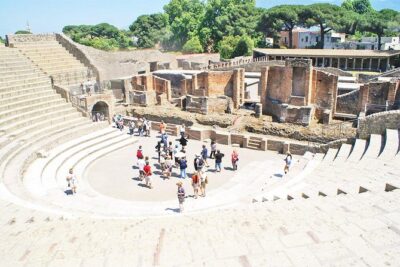
The Roman Amphitheater
If you only walked through Pompeii for the shock factor of scale, you’d still love it. But the amphitheater gives you a Roman anchor. It’s a place for public spectacle, and the audio guide context helps you picture crowds and events rather than just walls.
Practical tip: amphitheaters attract attention because they’re visually strong and easy to orient from, so it’s a good early stop when your energy is highest.
Set your own pace with an audio guide




The Small Theater
Not every stop is huge, and that’s part of what makes Pompeii feel human. The small theater helps you shift from big public life to performance culture. It’s the kind of place where audio narration can connect dots—what went on here, and how it fit into daily Roman entertainment.
The Public Gym
A gym in Pompeii isn’t just about exercise. It reflects how Roman culture mixed health, social life, and status. When you hit this area with audio context turned on, you’ll likely understand why it’s a meaningful stop rather than a random ruin.
Where Romans Lived and Held Banquets
This is where Pompeii becomes more than history. The experience is designed around seeing places that show daily life—homes and community spaces—and areas tied to banquets and social gatherings.
One reason self-guided works well here is personal pacing. Some people want to linger on frescoes and rooms. Others race ahead. With audio, you can spend more time where you feel the “human story” landing.
Frescoes, Emotion, and the Recreated Scenes
Pompeii’s frescoes are a major reason people fall for the site. Centuries-old paintings can still feel vivid—especially when you slow down and let your eyes adjust to the scale and lighting.
The experience also includes moving casts of citizens and their pets. That detail matters. It’s a reminder that this wasn’t abstract tragedy. It’s a city of individuals and families, with animals tied into daily routines too.
If you’re the type who gets affected easily, I’d plan at least a little buffer time around these stops. You don’t need to rush. Pompeii rewards slower looking.
And yes, it can feel intense. But it’s also one of the best ways to understand why Pompeii still matters: it’s art, architecture, and everyday life frozen at one moment.
Timing Your One-Day Visit: Beat Heat and Crowds
This experience is listed as one day, with starting times based on availability. In a site like Pompeii, timing is everything.
One review specifically highlighted the strategy of going at 9am to avoid crowds and heat. That advice matches the reality of Pompeii: you’re walking a lot, with limited shade and lots of sun exposure.
Here’s what I’d do with that information:
- Bring water. One review stressed that there’s very little shade and only one café available on site.
- Wear sunscreen. You can burn faster than you realize while focusing on ruins.
- Start earlier if you can, then plan a mid-visit pause rather than pushing straight through.
Also, Pompeii is large enough that even a well-planned day can feel rushed. One review noted the site is so big you could spend days exploring, and that’s true. With a ticket like this, your goal is smart coverage, not total coverage.
What About Upgrades and Live Guides?
This specific ticket is built around audio and self-paced exploring. Still, you should know that at least some people added a live guided tour on site for extra value.
One review described paying an extra €10 each for a guided tour and said it was worth it, with a guide named Alfonso. Another mentioned a two-hour tour guide for €10. Others named guides like Astrid and Julià and praised their knowledge and energy.
I can’t promise upgrades are available at every time slot, but if you arrive and see an option to add a live guide session, it can be a smart move when you want help navigating the maze-like layout fast.
If you’re on a tight schedule, a short guided component can also give you a mental map of what matters most—then you can return to self-guided wandering with sharper eyes.
Group Feel Without the Group Chaos
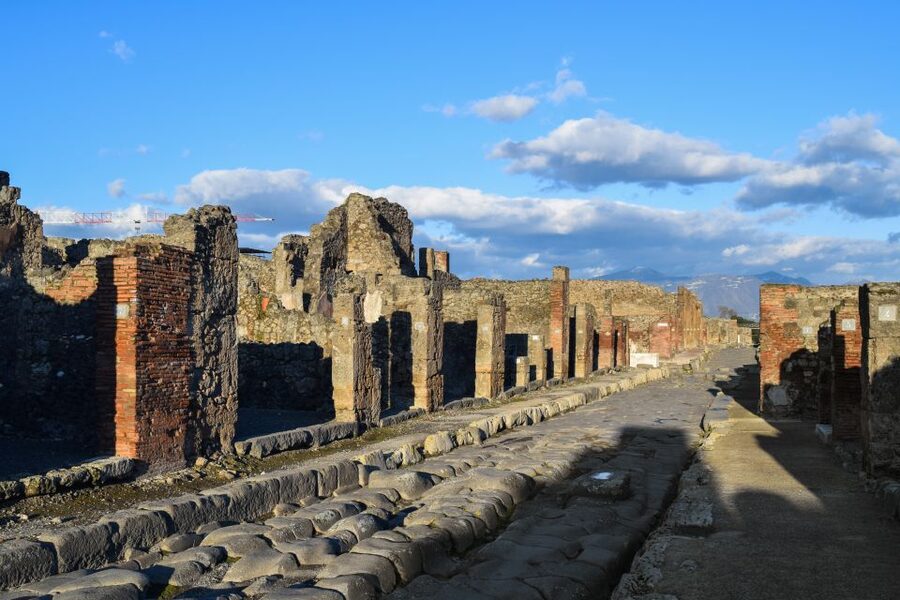
Even though this ticket is self-guided, you’re not walking in a private world. You’ll share entry areas and walkways with other visitors. Some reviews mention managing ear pieces and handling larger crowd density.
The good news: because you’re not locked into a group itinerary, you can break away when a bottleneck forms. The audio guide and map help you keep moving even if people cluster around the same iconic spots.
If you’re traveling with friends or family, this format is often ideal because you can split up briefly, then regroup near major landmarks.
Practicalities You Should Not Ignore
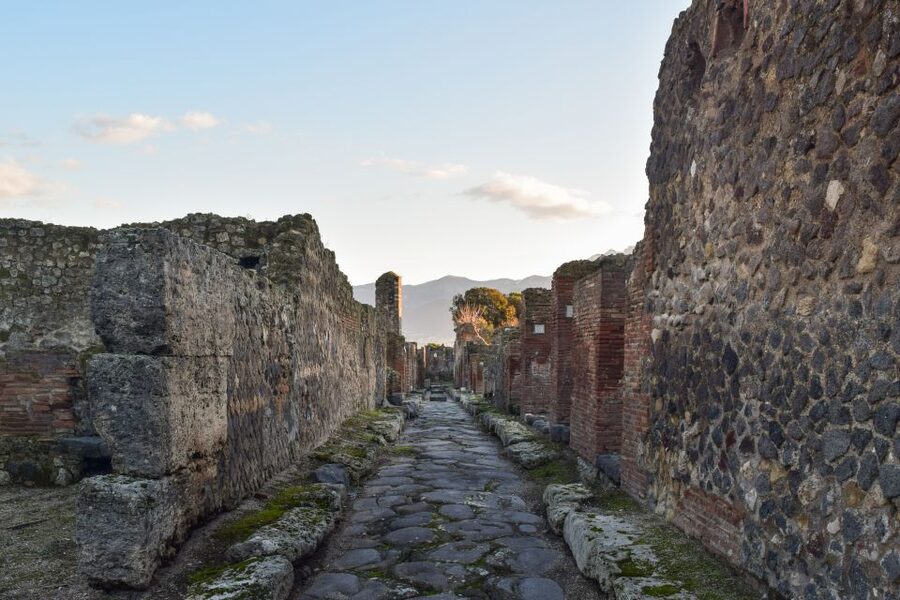
A few “small” points that can make or break your day:
You can’t bring large bags
The instructions say luggage or large bags are not allowed. Pack light. If you’re coming from a train day, keep your storage needs realistic so you’re not slowed down at entry.
Food and drinks aren’t included
There’s no food included, and reviews noted limited café options on site. That’s why water matters. Think of this as a walk-and-look day, not a sit-and-eat day.
Headphones are on you
A headset is not included. Bring headphones you trust. You don’t want to spend your first 20 minutes of Pompeii solving audio hardware problems.
The site can be confusing without a map
Pompeii’s scale is a real thing. One review said Pompeii is huge and like a maze and strongly recommended the included map.
Use the map early. Even a quick glance can save you from backtracking.
Is This Pompeii Ticket Good Value at $39.97?
At about $39.97 per person, you’re paying for three advantages:
- Skip-the-line entry (time is a scarce resource at Pompeii)
- Audio guide (context, not just visuals)
- Map (less confusion, more efficient walking)
For a one-day visit, those elements add up. If you’re short on time, the skip-the-line piece alone can be worth it simply because it protects your morning window. And audio + map can turn hours of walking into a clearer experience where you actually recognize what you’re seeing.
That said, if you already know Pompeii well and you love reading on your own, you might feel the value is less strong. But for most people, the included audio guidance and navigational help convert Pompeii from overwhelming into manageable.
Who This Experience Suits Best
This ticket fits best if you:
- Want maximum flexibility in a one-day schedule
- Prefer self-guided wandering with expert context via audio
- Value saving time at the entry point
- Like seeing the big highlights, then spending extra time where you connect most
It’s especially good for travelers who don’t want to be dragged along in a rigid timeline, but still want history explained in a way that makes the ruins feel understandable.
If you want a fully structured tour with constant guidance, you might consider pairing audio with an on-site live guide add-on if available.
Should You Book This Pompeii Skip-the-Line Ticket with Audio?
I think you should book it if your top priorities are time savings, easier orientation, and a self-paced way to absorb Pompeii’s emotional and historical impact. The included map and audio guide are not fluff. They’re the difference between wandering and actually understanding what you’re looking at.
I’d hesitate only if you already have strong Pompeii experience, you dislike audio formats, or you’re unprepared for the practical bits like bringing headphones and handling the heat with water and sunscreen.
If you plan smart—arrive early, wear sun protection, and use the map from the start—this is a solid, low-stress way to see Pompeii without losing your day to lines and confusion.
FAQ
Where do I exchange my voucher for this Pompeii ticket?
You exchange your voucher at the activity provider’s office on the first floor of Circumvesuviana train station (Via Villa dei Misteri, 1, 80045 Pompei NA, Italia).
What’s included with the ticket?
It includes skip-the-line entry, an audio guide, and a map.
Do I need to bring headphones?
Yes. A headset is not included. The instructions also say to bring headphones.
Is food or drink included?
No. Food and drinks are not included.
Are luggage or large bags allowed?
No. Luggage or large bags are not allowed.
What languages is the audio guide available in?
The audio guide is available in French, German, Italian, English, and Spanish.
Are there any age-based entry notes?
Children aged 0 to 17 go for free. People aged 18 to 24 from the European community with an identification document pay €2.
How long is the experience?
It’s listed as 1 day. Starting times depend on availability.
Can I cancel for a refund?
Yes. Free cancellation is available up to 24 hours in advance for a full refund.
More Tour Reviews in Pompei Campania
- Pompeii: Entry Ticket and Guided Tour with an Archaeologist★ 4.8 · 19,459 reviews
- Pompeii: Small Group Tour with an Archaeologist★ 4.8 · 12,264 reviews
- Naples: Pompeii and Mt. Vesuvius with Lunch and Wine Tasting★ 4.5 · 2,454 reviews
- Pompeii: Skip-the-line-Ticket and Guided Tour★ 4.6 · 1,152 reviews
- Pompeii: Small-Group Tour of Pompeii and Herculaneum★ 4.8 · 867 reviews
More Audio-Guided Visits
- Pompeii: Skip-the-Line Entry Ticket with Digital Guide App★ 4.1 · 770 reviews
- Pompeii: Skip-the-Line Entry & Audioguide★ 3.8 · 225 reviews
- Pompeii: Skip-the-Line Ticket with Audio Guide and Map★ 4.0 · 117 reviews
- From Pompeii: Vesuvius Entry with Transfer and Audioguide★ 4.2 · 74 reviews
- From Naples: Vesuvius & Pompeii with Transfer & Audio Guide★ 4.0 · 58 reviews
Skip-the-Line Entries, More to Book
- Pompeii: Skip-the-line-Ticket and Guided Tour★ 4.6 · 1,152 reviews
- Pompeii: Guided Tour with Skip-the-Line Entry★ 4.9 · 812 reviews
- Pompeii: Skip-the-Line Entry Ticket with Digital Guide App★ 4.1 · 770 reviews
- Pompeii: Tour with Archaeologist Guide & Skip-the-Line Entry★ 4.5 · 478 reviews
- Pompeii: Skip-the-Line Entry & Audioguide★ 3.8 · 225 reviews
Just reviewed: more Pompei Campania tours and day trips



Pompeii Skip-the-Line Entry, compared.
 ★ 4.6Skip-the-line-Ticket and Guided TourFrom $641,152 reviews
 ★ 4.9Guided Tour with Skip-the-Line EntryFrom $58812 reviews
 ★ 4.1Skip-the-Line Entry Ticket with Digital Guide AppFrom $22770 reviews
 ★ 4.9Pompeii Ruins Private Tour with Optional Skip-the-Line EntryFrom $254732 reviews
 ★ 5.0Skip the Line Guided Tour of Pompeii led by an ArchaeologistFrom $95703 reviews
 ★ 5.0Pompeii Private Tour with an Archaeologist and Skip The Line – 3 hoursFrom $302564 reviews
 ★ 5.0Pompeii Skip-the-line Tour with Archaeologist GuideFrom $71559 reviews
 ★ 4.5Tour with Archaeologist Guide & Skip-the-Line EntryFrom $57478 reviews
Browse the lists this tour appears in