
Reviewed · POMPEII SKIP-THE-LINE ENTRY
Pompeii: Skip-the-line-Ticket and Guided Tour
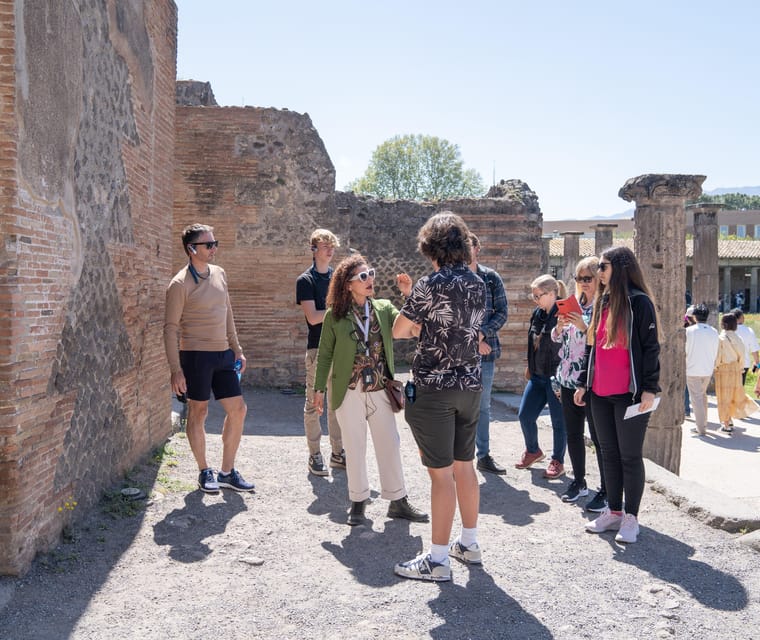
Pompeii feels like a time machine. With a Pompeii archaeologist-led walk and skip-the-line entry, you get the big highlights without the usual hassle. You’ll move through the main streets, forum, and key neighborhoods while your guide explains what you’re actually looking at.
I especially like the way the tour is built around the city’s daily rhythm—gates, markets, public buildings, and homes of ordinary people. Another standout is the preserved art: frescoes, mosaics, and artwork that you can study close up instead of rushing past.
One watch-out: the meeting point is not at the main Pompeii entrance. If you show up by instinct, you can waste time before the tour even starts.
In This Review
- Key points before you go
- Why skip the line matters at Pompeii
- Meeting at IBT Center: the one logistics detail to get right
- Porta Marina Superiore: entering Pompeii the way locals would have
- The forum and city core: where stories click into place
- Mount Vesuvius views beyond the ruins
- Baths, temples, and the practical buildings people actually used
- The great theater and a brothel: uncomfortable, but eye-opening
- Frescoes, mosaics, and why preservation changes everything
- How much you’ll actually cover in 2 hours
- Headsets, Wi‑Fi, and why this tour feels organized on the ground
- Price and value: is $64 for 2 hours fair?
- Who this Pompeii tour suits best
- Final thoughts: should you book this Pompeii guided tour?
- FAQ
- How long is the Pompeii skip-the-line guided tour?
- What is included in the price?
- Where do I meet for the tour?
- What languages are the live guides available in?
- Is the Villa dei Misteri included?
- What should I bring and what’s required?
- Is this tour suitable for wheelchair users or people with mobility impairments?
Key points before you go

- Skip-the-line entry means less waiting and more time inside the UNESCO site
- Headsets included so you can hear your guide clearly while you walk
- Mount Vesuvius viewpoints are built into the route, not left to chance
- Classic daily-life stops like baths, a bakery, theater, and brothel
- Semiprivate option (up to 12 people) if you want a smaller-group feel
Why skip the line matters at Pompeii
Pompeii is famous enough that timing can turn into a trap. Even when the weather is great, waiting around for entry can chew up the most limited part of your day. This tour’s reserved entrance with skip-the-line entry is a practical fix: it helps you start exploring sooner and keeps the 2-hour experience from feeling like it’s mostly about logistics.
Also, a guided visit changes the site in a subtle but important way. If you wander on your own, you may see walls and floor patterns and think, so what? With a guide, those same spaces become readable—Roman architecture starts to make sense, and the city stops being a pile of ruins and turns into a place where people ate, worked, worshiped, bought things, and gossiped.
More ways past the ticket queue
- Pompeii: Skip-the-Line Entrance Ticket with Audio Guide
★ 4.0 · 2,509 reviews - Pompeii: Guided Tour with Skip-the-Line Entry
★ 4.9 · 812 reviews - Pompeii: Skip-the-Line Entry Ticket with Digital Guide App
★ 4.1 · 770 reviews
Meeting at IBT Center: the one logistics detail to get right
The tour starts at Piazza Esedra, 11, and you should report to the Office named IBT Center/Touristation next to Chalet Donna Lucia. That means you should plan to confirm the exact pickup spot ahead of time, not just aim for the main Pompeii gates.
Why I’m picky about this: Pompeii days are timed to your energy and your schedule, and 20 minutes lost at the wrong meeting point can easily domino into missed sights or rushed exit plans. If you’re arriving by train, give yourself extra buffer so you’re standing in the right place before your group is called.
Porta Marina Superiore: entering Pompeii the way locals would have
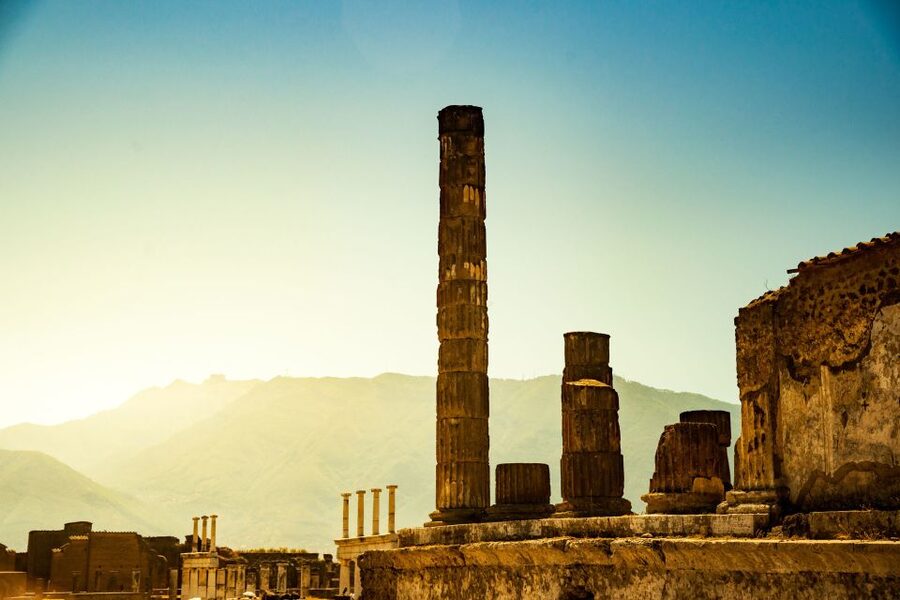
The walk begins at Porta Marina Superiore, one of Pompeii’s seven gates. Starting at a gate is smart because it sets the stage: you’re not just looking at random ruins—you’re entering the city through a real Roman threshold.
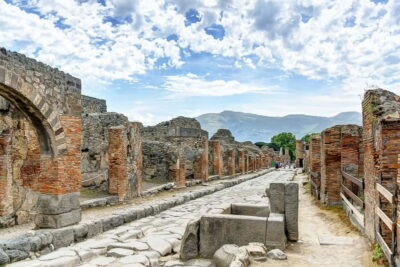
From there, you’ll follow the main streets and get your bearings fast. Gates and streets matter here because Pompeii was laid out for movement and trade. Once you understand the flow, the big spaces you’ll see later (the forum and public buildings) feel less like separate attractions and more like parts of one functioning city.
Expect a walking route that’s lively but focused. Since the tour is only 2 hours, the guide’s job is to take you to the most informative areas, not to wander endlessly.
The forum and city core: where stories click into place
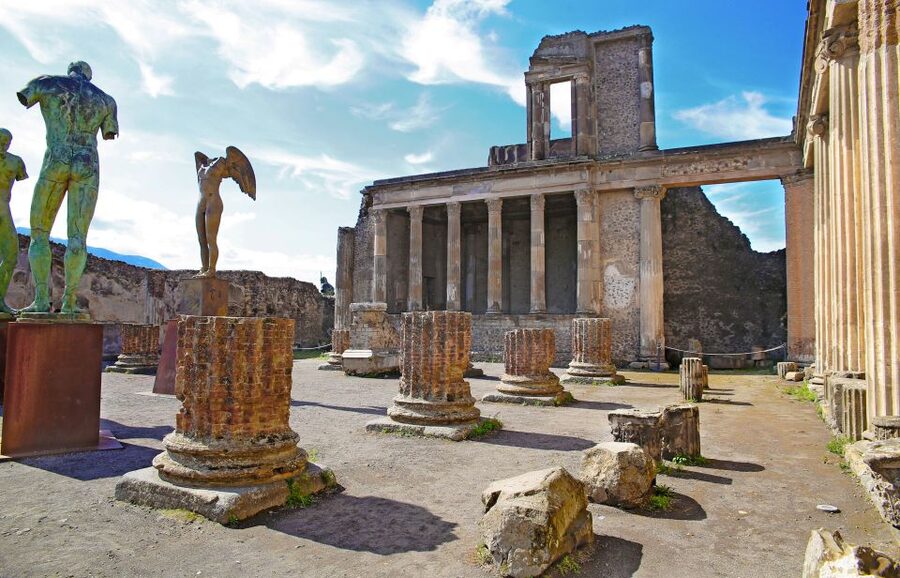
Next up is the forum, the heart of Pompeii. This is the kind of place where a guided explanation pays off instantly. Without context, it’s easy to treat these stone remains like scenery. With a guide, the forum becomes a stage: civic life, public business, and the shared spaces that made daily Roman society work.
You’ll also get the benefit of seeing how the city’s layout ties together. Pompeii doesn’t read like a museum building. It reads like a neighborhood—an urban grid where people knew where to go for news, commerce, and community.
If you like history that feels human, this is often the part that lands hardest. You’ll hear anecdotes and learn about how Pompeii’s inhabitants lived, not just when the eruption happened.
Mount Vesuvius views beyond the ruins
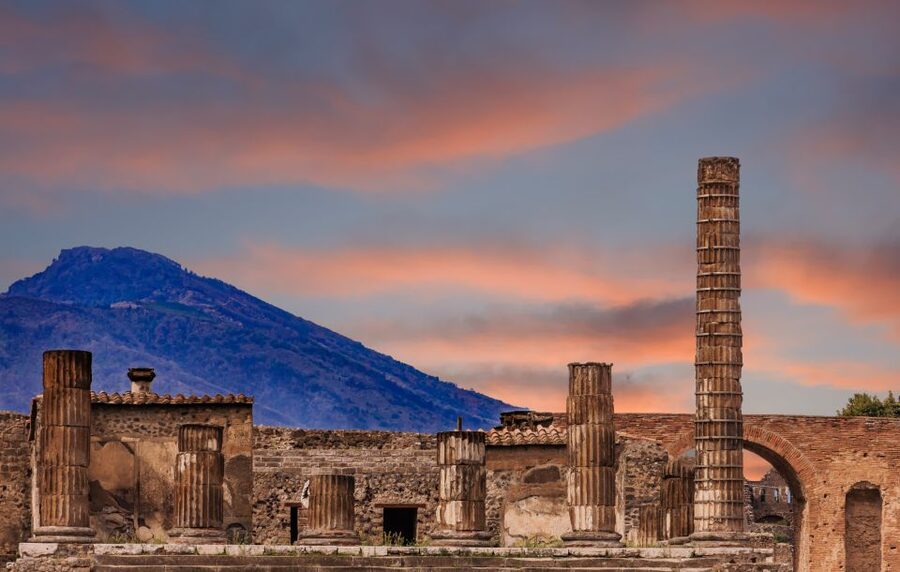
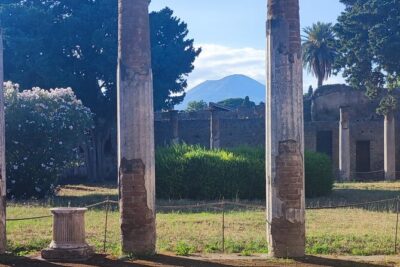
One of the nicest parts of a Pompeii tour is the reality check: the ash-preserved city sits under the shadow of Mount Vesuvius. This tour explicitly includes time for views over the city, so you’re not stuck viewing Vesuvius only from afar or only on photos.
I like this because it fixes the emotional geography. Seeing the mountain while you stand in the city makes the site feel immediate rather than abstract. It also helps you understand why certain areas might have been chosen for building and how the volcanic landscape shaped everyday life.
More tickets to the site


Baths, temples, and the practical buildings people actually used
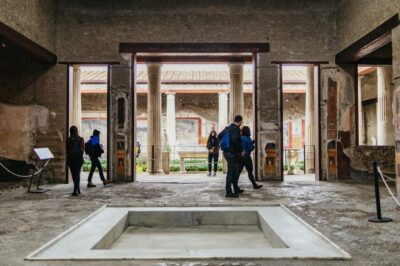
Pompeii is often sold as art and spectacle, but the daily-life stops are where the tour gets extra valuable. You’ll visit baths and temples, plus places tied to routine survival like a bakery. These aren’t throwaway stops. They help you picture a normal day in Pompeii.
- Baths show social habits as much as architecture.
- Temples explain the public face of religion.
- Bakery helps you think about food production and the pace of daily needs.
In a site this large, the guide’s selection matters. By choosing the most story-rich buildings, you come away with an actual mental map of what Pompeii did for its residents—food, hygiene, worship, and community.
The great theater and a brothel: uncomfortable, but eye-opening
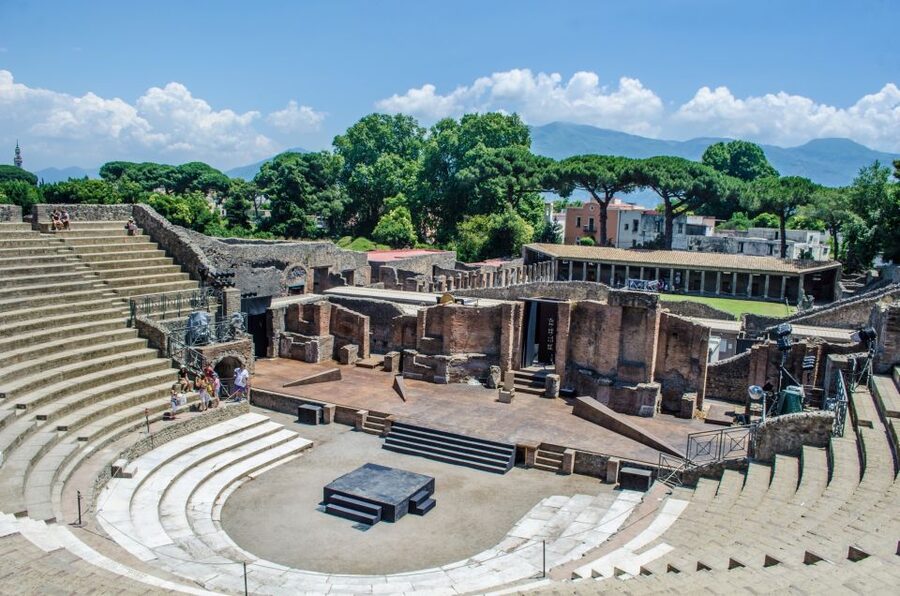
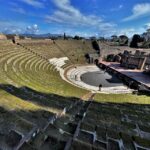
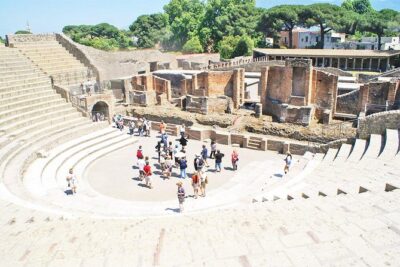
Two of the most memorable stops on this route are the great theater and a brothel. Yes, that’s a bold combo, but it’s also what makes Pompeii feel real. Roman entertainment and adult life weren’t sanitized away—they were part of the same urban fabric as public baths and civic events.
A good guide here makes the difference between shock and understanding. You’re not just collecting salacious details; you’re learning how people organized leisure, status, and social behavior in a city that functioned like a town.
If you prefer your history strictly family-friendly, you might want to mentally brace for this content. The upside is that it adds balance. Pompeii isn’t only pretty frescoes—it’s a living society.
Frescoes, mosaics, and why preservation changes everything
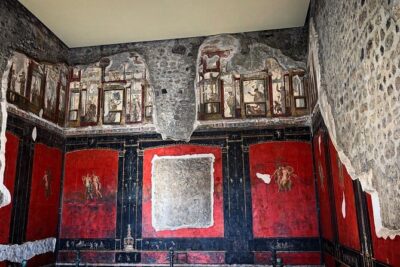
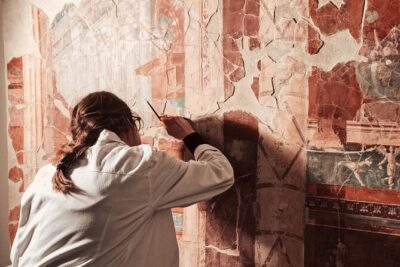
The best reason to do a guided tour at Pompeii is what you’re seeing with your eyes. This visit is built around preserved frescoes, mosaics, and artworks that you can examine up close while a guide explains what they represent.
The emotional effect of Pompeii is one thing. The educational effect is another. When you learn the story behind a painting or a decorative floor, you start noticing details you would otherwise miss—symbols, household status cues, and everyday visual culture.
Also, art in Pompeii isn’t isolated. It sits in rooms where people ate, slept, worked, and hosted visitors. That’s why frescoes and mosaics feel so vivid on this route: the guide connects the art to the life around it.
How much you’ll actually cover in 2 hours

Two hours sounds tight because Pompeii is huge. But this tour is designed for a “key areas only” experience, not a full-site marathon. In that short time, you’ll hit the gate entry, the forum, views, major civic and daily-life buildings, and multiple art stops.
Here’s the trade-off I’d plan for: you’ll leave with strong highlights and clearer context, but you won’t see every corner of Pompeii in one go. If your goal is a deep, slow exploration, consider using this tour as your first pass. Then you can return later for the parts that stuck with you.
Headsets, Wi‑Fi, and why this tour feels organized on the ground
Small operational details matter more in Pompeii than you might expect. You get headset audio, plus a city map, and support like assistance at the Tourist Office. Even Wi‑Fi is included, which can be handy for checking plans or syncing schedules.
All of that adds up to a smoother flow: less shouting over crowds, fewer pauses to figure things out, and more time simply watching and learning.
Price and value: is $64 for 2 hours fair?
At $64 per person for a 2-hour guided tour with a skip-the-line ticket, the value hinges on what you get for your time. You’re not just paying for a walking companion. The ticket includes reserved access, and the tour includes headsets and guided interpretation across major Pompeian spaces.
If you’re visiting with limited time in Campania, this kind of guided package is often a smart use of funds. You buy fewer hours of stress and more hours of meaningful sight time. If you have a flexible day and you love reading ruins at your own pace, you could technically skip a guided format. But with Pompeii, context is half the reward.
Who this Pompeii tour suits best
This tour is a great match if you want:
- A guided overview with a clear route through major highlights
- Close attention to frescoes, mosaics, and artwork
- A visit that includes Mount Vesuvius views
- A more intimate feel if you choose the semiprivate option limited to 12 people
It may be less suitable if:
- You have mobility impairments or are a wheelchair user (the tour is not suitable for these needs, based on the tour info)
- You’re traveling with large luggage, umbrellas, oversize bags, or pets (these are not allowed)
Final thoughts: should you book this Pompeii guided tour?
I’d book this tour if you want Pompeii to feel understandable fast. The skip-the-line entry protects your limited time, and the route through forum life, public buildings, and preserved art keeps you from wandering aimlessly.
I’d also book it if you like the idea of learning the “why” behind what you’re seeing—especially the art and everyday spaces like baths, bakery, theater, and the brothel. Just make sure you double-check the meeting point at IBT Center/Touristation next to Chalet Donna Lucia, since that’s the one part that can trip people up.
If you’re the type who wants only the most famous spots without context, you might feel boxed into a curated route. But for most people, this is an efficient way to turn Pompeii into a real story you can picture long after you leave.
FAQ
How long is the Pompeii skip-the-line guided tour?
It lasts about 2 hours.
What is included in the price?
You get the Pompeii archaeological area skip-the-line ticket, the 2-hour guided tour, headsets, a city map, assistance at the Tourist Office, and Wi‑Fi.
Where do I meet for the tour?
You should report to the Office called IBT Center/Touristation next to Chalet Donna Lucia. The starting location is Piazza Esedra, 11.
What languages are the live guides available in?
The live guide is available in Italian, French, Spanish, and English.
Is the Villa dei Misteri included?
No. Entrance to Villa dei Misteri is not included.
What should I bring and what’s required?
Bring a passport or ID card. ID is required for all participants.
Is this tour suitable for wheelchair users or people with mobility impairments?
No. It is not suitable for wheelchair users or people with mobility impairments.
More Tickets in Pompei Campania
- Pompeii: Entry Ticket and Guided Tour with an Archaeologist★ 4.8 · 19,459 reviews
- Pompeii: Skip-the-Line Entrance Ticket with Audio Guide★ 4.0 · 2,509 reviews
- Pompeii: Skip-the-Line Entry Ticket with Digital Guide App★ 4.1 · 770 reviews
- Pompeii: Afternoon to Sunset Guided Tour with Ticket★ 4.9 · 484 reviews
- Pompeii: Skip-the-Line Ticket with Audio Guide and Map★ 4.0 · 117 reviews
More Tour Reviews in Pompei Campania
- Pompeii: Entry Ticket and Guided Tour with an Archaeologist★ 4.8 · 19,459 reviews
- Pompeii: Small Group Tour with an Archaeologist★ 4.8 · 12,264 reviews
- Pompeii: Skip-the-Line Entrance Ticket with Audio Guide★ 4.0 · 2,509 reviews
- Naples: Pompeii and Mt. Vesuvius with Lunch and Wine Tasting★ 4.5 · 2,454 reviews
- Pompeii: Small-Group Tour of Pompeii and Herculaneum★ 4.8 · 867 reviews
Skip-the-Line Entries, More to Book
- Pompeii: Skip-the-Line Entrance Ticket with Audio Guide★ 4.0 · 2,509 reviews
- Pompeii: Guided Tour with Skip-the-Line Entry★ 4.9 · 812 reviews
- Pompeii: Skip-the-Line Entry Ticket with Digital Guide App★ 4.1 · 770 reviews
- Pompeii: Tour with Archaeologist Guide & Skip-the-Line Entry★ 4.5 · 478 reviews
- Pompeii: Skip-the-Line Entry & Audioguide★ 3.8 · 225 reviews
Just reviewed: more Pompei Campania tours and day trips



Pompeii Skip-the-Line Entry, compared.
 ★ 4.0Skip-the-Line Entrance Ticket with Audio GuideFrom $392,509 reviews
 ★ 4.9Guided Tour with Skip-the-Line EntryFrom $58812 reviews
 ★ 4.1Skip-the-Line Entry Ticket with Digital Guide AppFrom $22770 reviews
 ★ 4.9Pompeii Ruins Private Tour with Optional Skip-the-Line EntryFrom $254732 reviews
 ★ 5.0Skip the Line Guided Tour of Pompeii led by an ArchaeologistFrom $95703 reviews
 ★ 5.0Pompeii Private Tour with an Archaeologist and Skip The Line – 3 hoursFrom $302564 reviews
 ★ 5.0Pompeii Skip-the-line Tour with Archaeologist GuideFrom $71559 reviews
 ★ 4.5Tour with Archaeologist Guide & Skip-the-Line EntryFrom $57478 reviews
Browse the lists this tour appears in