
Reviewed · POMPEII ARCHAEOLOGIST-LED TOURS
Herculaneum: Private Walking Tour with Archeologist Guide
Herculaneum feels personal the moment you arrive. I love the chance to walk with a licensed archaeologist guide who explains what you’re seeing instead of rushing you through. I also love how the town’s preservation makes ancient houses, wood, paintings, and mosaics feel close enough to picture real routines.
The main thing to consider is logistics: you’re in a real archaeological site for about 2 hours, so comfortable shoes matter and you may want to plan for sun and heat. Also, the site note about wheelchair suitability feels a bit mixed, so I’d confirm before you book if mobility is a concern.
In This Review
- Key Highlights You’ll Feel In This Tour
- Why Herculaneum’s Preservation Changes Everything
- The Private Archaeologist Guide: What You Gain Beyond a Regular Visit
- Starting Point and Timing: How to Make the Two Hours Work
- Walking Through Roman Public Life: The Forum Area
- Private Homes and the Art of Daily Life
- Casa del Salone Nero and the power of an identifiable room
- Houses with names tied to decoration and function
- Food, Shops, and the Sounds of a Working Town
- Houses Where You Can Track Motion and Meaning
- The Beach and the House of Skeletons: When History Turns Heavy
- Sacellum of the Augustales: A Spiritual Side of the Town
- What’s Included, What You’ll Pay On Top, and Why the Price Makes Sense
- Practical Tips Before You Go
- Should You Book This Private Herculaneum Tour?
- FAQ
- How long is the Herculaneum private walking tour with an archaeologist guide?
- Where does the tour start and where does it end?
- What is included in the price?
- What should I bring to the tour?
- Are tickets required, and is there a way to avoid lines?
- Is the tour suitable for wheelchair users?
Key Highlights You’ll Feel In This Tour
- Licensed archaeologist guide who turns stones into stories of daily life
- Vesuvius eruption explained in a clear, human way
- Why Herculaneum lasted better than Pompeii, including the role of mud depth
- Big-name rooms you can actually walk through, from the Forum to the House of Skeletons
- Guides that engage kids and teens, including keeping things fun and relatable
Why Herculaneum’s Preservation Changes Everything
Herculaneum and Pompeii were both buried in the AD 79 eruption, but they did not get the same kind of burial. Pompeii was covered by several meters of ash. Herculaneum, though, was buried under an avalanche of mud that was far deeper, about 20 meters. That matters, because it helped protect many materials that normally rot away.
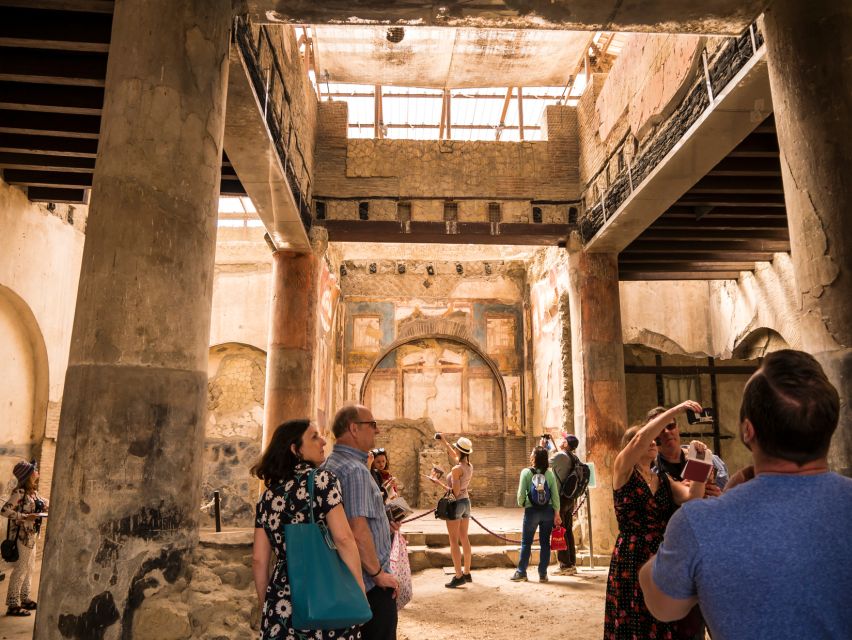
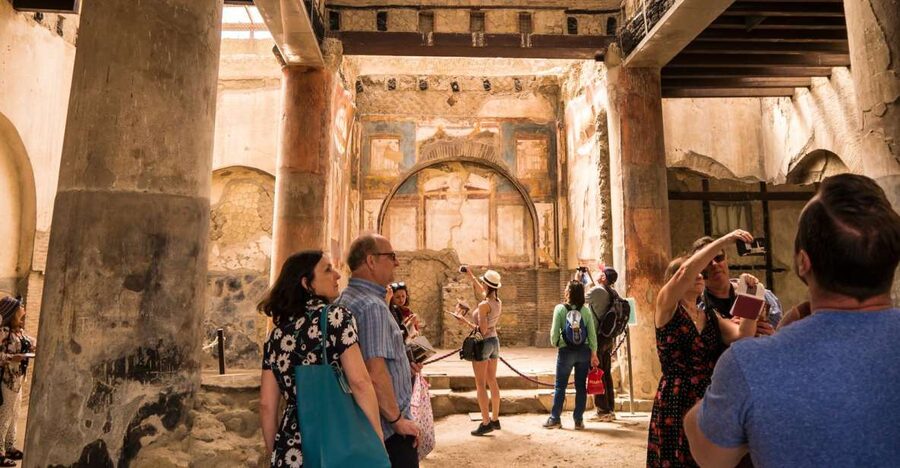
On this tour, you don’t just hear that theory. You get to see its results as you move through the site. The standout is how many objects and surfaces remain readable: wooden items, paintings, and mosaics that help you understand what Romans owned, decorated with, and used at home. When your guide explains what you’re looking at in each space, you start to connect the dots between architecture and daily life.
This is also where the private format helps. With a group of one, you can ask the obvious questions as they come up, like why certain rooms were built the way they were or what a landmark functioned for in the town.
Not decided yet? A few more Ercolano tours worth weighing before you book.
- Ercolano: Herculaneum Entry Ticket with Optional Audio Guide
★ 4.1 · 581 reviews - Herculaneum: Skip The Line Entrance ticket + Audioguide
★ 4.3 · 266 reviews - Naples: Pompeii and Herculaneum Tour with Tickets and Lunch
★ 4.4 · 136 reviews
The Private Archaeologist Guide: What You Gain Beyond a Regular Visit
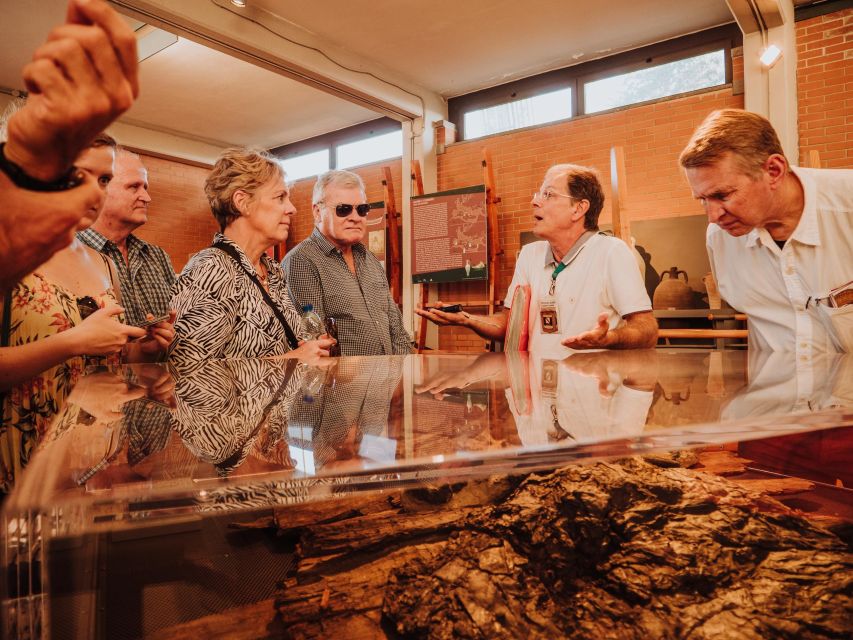
This is a private walking tour with a licensed archaeologist guide, and that’s a practical upgrade. Many visits to Herculaneum are either too fast or too general. Here, the guide has time to stop, point, and explain in multiple languages (Italian, Spanish, English, Japanese, Russian, French, Portuguese, Chinese, German), so you’re not stuck translating in your head.
I especially like the guide style you’ll likely get. Guides such as Antonio, Luciano, and Paola were praised for making the site feel alive, not just educational. One guide story stuck in my mind: a group of families found the tour engaging for kids and even had the teenager factor covered. That doesn’t happen by accident. It usually means the guide keeps explanations short, visual, and tied to real questions like how people lived, cooked, socialized, and worked.
One more practical bonus: the tour is designed to be skip-the-ticket-line and focused. With only two hours, you want the guide to spend time where it counts, not in long waits.
Starting Point and Timing: How to Make the Two Hours Work
The tour is 2 hours, so the schedule is about efficient walking plus smart stops. Starting locations can vary depending on what option you book, with one main meeting area at Parco Archeologico di Ercolano along Via dei Papiri Ercolanesi, 21. The tour ends back at the meeting point, so you’re not piecing together a separate transit plan.
If you’re choosing this with a tight day plan around Naples or the Vesuvius area, this timing is a good fit. You’re getting expert guidance without turning your day into a full half-day slog. Just remember: the site is outdoors. Bring comfortable shoes, and be ready for sun. One guide was specifically praised for trying to keep people in shade, which tells you heat can be a factor.
A small but important note: on the first Sunday of each month, entrance is free. However, tickets can’t be reserved ahead of time, and entry isn’t guaranteed. If your timing lands on that day, I’d treat this tour as even more worth it for structure and smooth entry, because waiting for access can eat up your short visit.
Walking Through Roman Public Life: The Forum Area
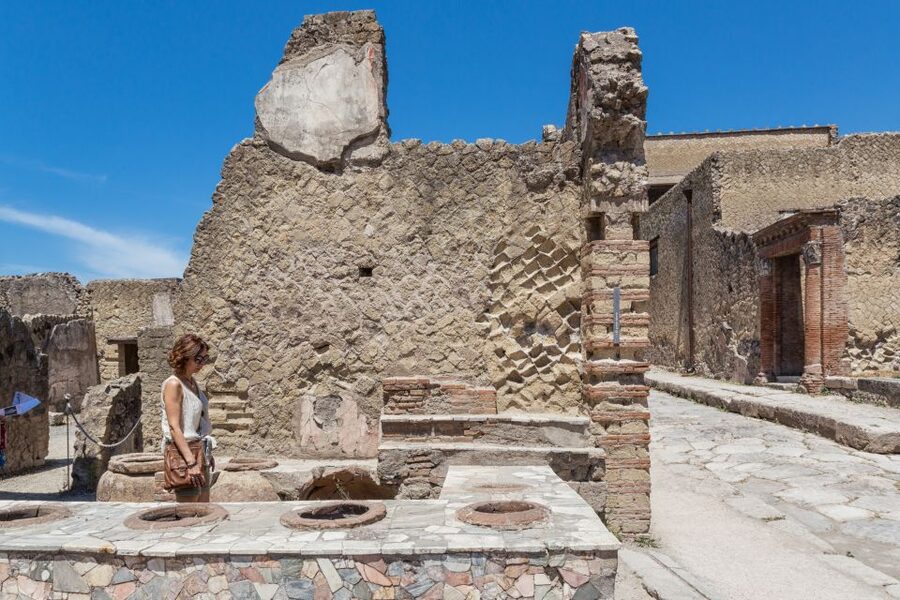
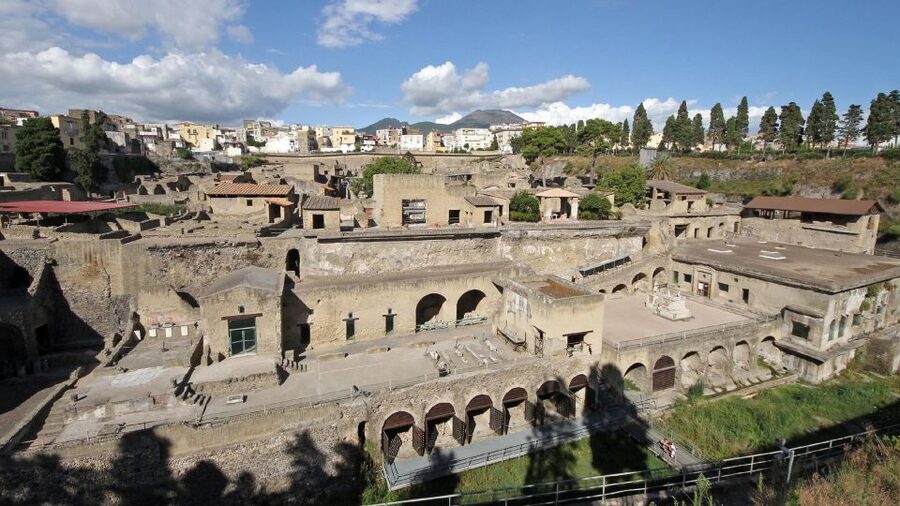
You start by heading into the main archaeological site zone, then you move through major highlights. Early on, you’ll reach the Forum, which is one of the best ways to anchor your understanding of Herculaneum.
A Forum isn’t just a big open space. It’s where public life happened: commerce, announcements, gatherings, and the everyday rhythm of a town. When you’re standing in this kind of space, the guide’s explanation is what turns “ruins” into “how people actually lived.” You begin noticing details that suggest function, not just decoration: how rooms open to certain areas, where movement likely flowed, and how the layout supports crowds and daily traffic.
This stop also helps you reframe the entire eruption story. The eruption affected everything, but you experience it best when you first understand what was normal before the disaster.
Private Homes and the Art of Daily Life
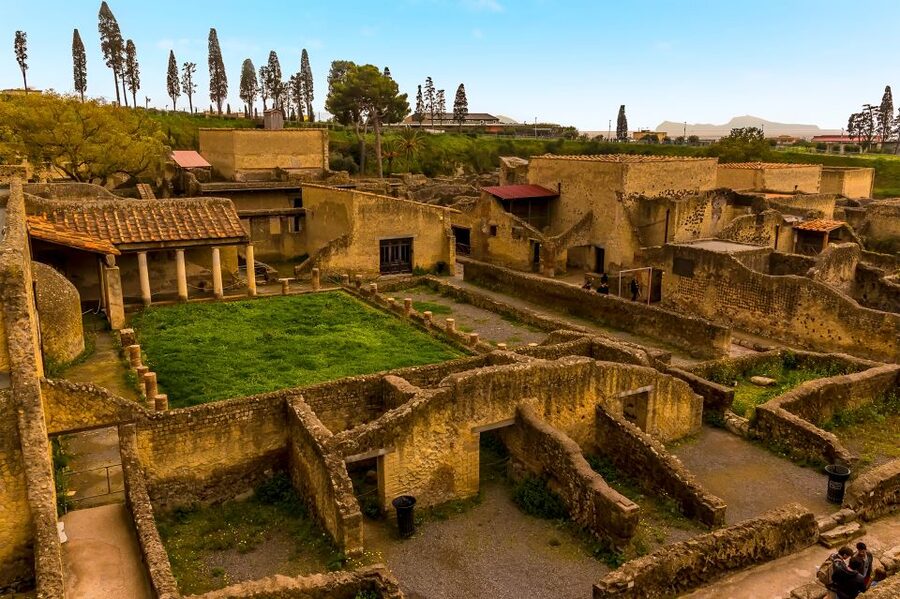
After public space, you shift gears to the homes. This is where Herculaneum becomes less like a battlefield story and more like a window into ordinary life.
Several houses on the route focus on different themes. You’ll visit a set of homes that include:
- Casa del Salone Nero
- Casa dell’Albergo, Herculaneum
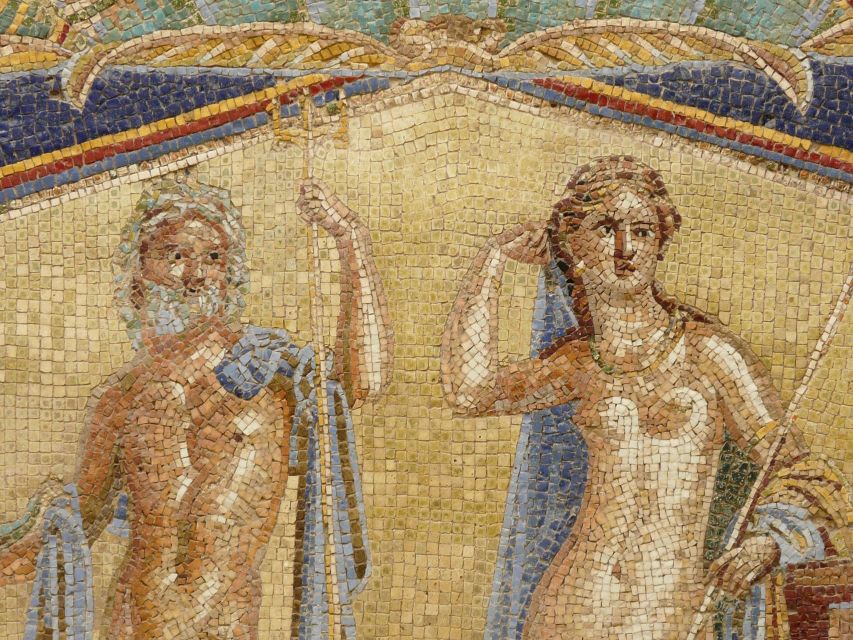
- Casa di Nettuno ed Anfitrite
- Casa dei Cervi
These names aren’t random. They point you toward visual cues and room identities that help you see how decoration worked as status and personal taste. The guides’ job here is to connect art and architecture. You’ll hear how interior spaces were laid out, how people likely used different rooms, and why certain features matter in a preserved site where surfaces remain intact.
One theme you’ll likely pick up quickly: Herculaneum wasn’t just a place of grand monuments. It was a patchwork of homes with meaningful rooms, and the design supported real routines. You’re essentially learning Roman “house geography,” which makes later stops feel clearer.
Keep walking the excavated streets
Casa del Salone Nero and the power of an identifiable room
The Casa del Salone Nero gives you a memorable anchor. When the guide talks about the room and its defining look, it helps you understand how residents transformed daily life with paint, layout, and craftsmanship. Even if you don’t memorize every feature, you end up with a sense of what people cared about inside their walls.
Houses with names tied to decoration and function
Places like Casa di Nettuno ed Anfitrite and Casa dei Cervi are especially useful for visitors who want more than dates. The guide can point out what the room naming implies and what that says about the household. In a site known for preserved art, this is where you start noticing how imagery was part of identity, not just background.
Food, Shops, and the Sounds of a Working Town
Not every stop is about grand rooms. You’ll also visit the Herculaneum Thermopolium, a kind of Roman takeaway eatery or snack-and-drink spot. Think of it as an everyday location where people grabbed food without needing a full meal at home.
This is a crucial contrast to the houses. In homes, you learn about private life and interiors. In a thermopolium, you learn about public routines and the supply chain of a town. If you’ve ever wondered what “urban life” meant in Roman times, this stop makes it concrete.
The tour also includes a bakery highlight along the route. Even without seeing the full process, the idea is powerful: your guide connects the physical evidence to how communities fed themselves. Food spaces show how a town ran day to day, not only how it looked.
Houses Where You Can Track Motion and Meaning
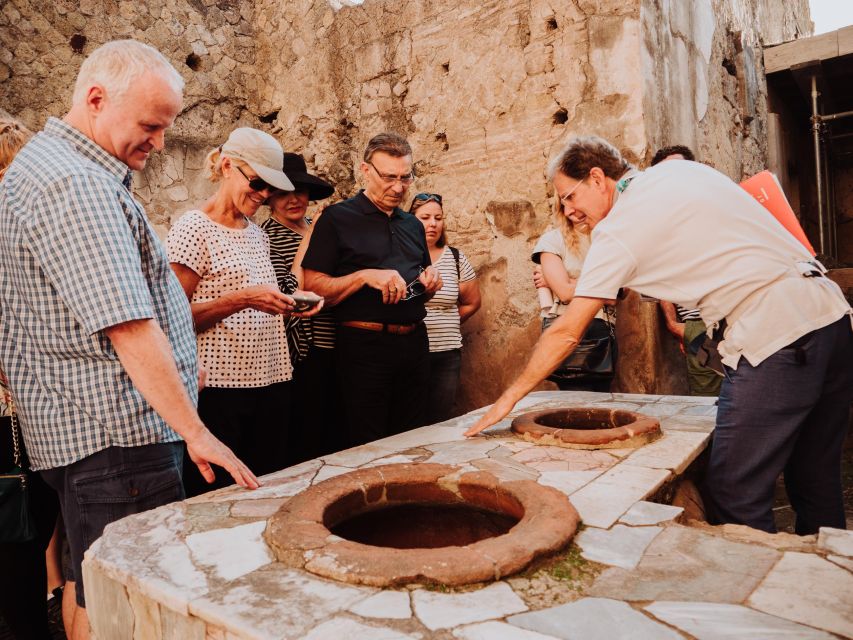
One of the more compelling strengths of a guided walk is that you get to interpret layout. In a ruin site, layout equals story. You can see:
- what rooms connect to each other
- what might have been private vs. public
- where people would naturally pause
A standout stop here is the House of the Wooden Partition conceptually. The tour emphasizes well-preserved wooden elements and how they relate to function. Even if a piece looks delicate, in a preserved site it can still tell you how space was organized. That’s where the “better preservation than Pompeii” explanation starts to feel real rather than academic.
The Beach and the House of Skeletons: When History Turns Heavy
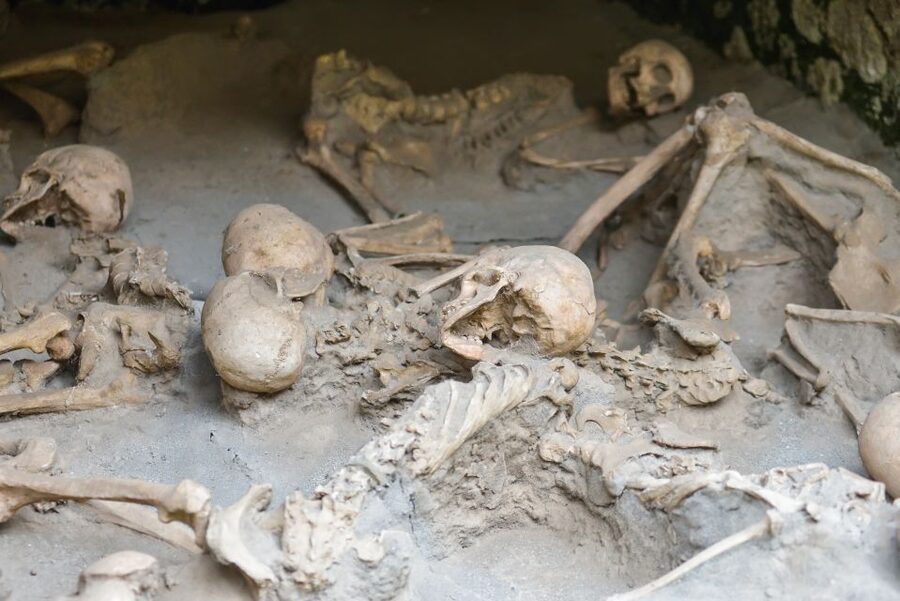
The tour doesn’t shy away from the emotional weight of the event. You’ll visit the House of Skeletons, a major highlight tied to the tragedy of people caught in the eruption.
You’ll also reach the beach area where hundreds of skeletons were discovered. This part of the experience changes your pace. Your guide’s job becomes balancing facts with respect, helping you understand what the evidence shows without sensationalizing it.
If you’re sensitive to disaster history, this is the portion to note. It’s important history, but it can feel intense. On the positive side, this is exactly why an archaeologist guide helps. You get context for what you’re seeing, and that makes the moment feel grounded rather than random.
Sacellum of the Augustales: A Spiritual Side of the Town
You’ll also visit the Sacellum of the Augustales. This stop adds a layer many visitors miss if they only focus on homes and the eruption narrative.
Sacella connected to religious or ceremonial life. When you’re walking through it with a guide, you can better understand how the town’s identity included public beliefs and social roles, not just daily survival and commerce. It’s one more reminder that a town is never only its architecture. It’s the people, their roles, and their practices.
What’s Included, What You’ll Pay On Top, and Why the Price Makes Sense
The tour price is $317.76 per group (up to 1) for a private 2-hour walk with a licensed archaeologist guide. Admission fees to Herculaneum are included at 16.00 euros per person.
When I look at value, the big question is whether you’re paying for access, knowledge, or both. You’re paying for both:
- a guide who’s trained to interpret the site
- a private format that helps you ask questions and move at a human pace
- admission that otherwise can add friction
If you’re a solo traveler, a couple, or a small family who wants your time focused, private guidance is often worth it here. If you’re comfortable wandering with an audio guide and you don’t need interpretation, you could spend less. But if you want the site explained room by room, this price starts to feel like the cost of doing it right.
Practical Tips Before You Go
- Wear comfortable shoes. You’ll be walking through uneven ground and standing for explanations.
- Keep luggage minimal. Oversize luggage isn’t allowed.
- Bring water and plan for sun. Even when shade is available, it’s not guaranteed everywhere.
- Decide based on language needs. The guide options span several languages, so match what you’re most comfortable with.
One more note to avoid a surprise: accessibility details can be inconsistent in the tour description. The activity is listed as wheelchair accessible, but it’s also noted as not suitable for wheelchair users. If you or someone in your party needs a clear accessibility plan, confirm directly before booking.
Should You Book This Private Herculaneum Tour?
Book it if you want Herculaneum to make sense fast. The private archaeologist guide approach turns ruins into routines: public life in the Forum, everyday food culture at a thermopolium and bakery, and the intimate feel of Roman houses. The guides also score high for engagement, including keeping the experience fun and relatable for younger visitors, with names like Antonio, Luciano, and Paola showing up again and again in praise.
Skip or consider alternatives if you’re on a strict budget and only want general sightseeing. Also consider your comfort level with intense moments like the House of Skeletons and the beach where victims were discovered.
If you want a guided walk that respects the tragedy while still delivering real clarity about what life looked like, this is the sort of tour that gives you more than a checklist. You leave understanding why the site survived, what people did there, and how quickly normal life ended.
FAQ
How long is the Herculaneum private walking tour with an archaeologist guide?
It lasts 2 hours.
Where does the tour start and where does it end?
The start location can vary depending on the option you book, including the Parco Archeologico di Ercolano area on Via dei Papiri Ercolanesi, 21. The tour ends back at the meeting point.
What is included in the price?
A licensed archaeologist guide and admission fees to Herculaneum (16.00 euros each) are included.
What should I bring to the tour?
Wear comfortable shoes.
Are tickets required, and is there a way to avoid lines?
Admission is included, and the tour includes skipping the ticket line.
Is the tour suitable for wheelchair users?
The tour information includes wheelchair accessibility, but it also states it is not suitable for wheelchair users. You should confirm before booking if this matters for your group.
More Private Guides at the Site
- Herculaneum: Private Tour with Driver from Naples★ 4.6 · 15 reviews
Still in the Ruins? Keep Walking
- Herculaneum Guided Walking Tour with Entry Ticket★ 3.7 · 21 reviews
Just reviewed: more Ercolano tours and day trips



Pompeii Archaeologist-Led Tours, compared.
 ★ 4.8Entry Ticket and Guided Tour with an ArchaeologistFrom $3519,459 reviews
 ★ 4.8Small Group Tour with an ArchaeologistFrom $4012,264 reviews
★ 5.0Pompeii Small Group Tour with an ArchaeologistFrom $356,593 reviews
★ 4.8Small Group Tour with an ArchaeologistFrom $4012,264 reviews
★ 5.0Pompeii Small Group Tour with an ArchaeologistFrom $356,593 reviews
 ★ 5.0Pompeii and Herculaneum Small Group Tour with an ArchaeologistFrom $771,350 reviews
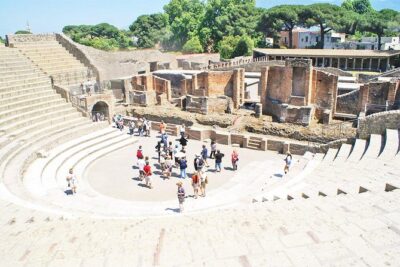 ★ 5.0Skip the Line Guided Tour of Pompeii led by an ArchaeologistFrom $95703 reviews
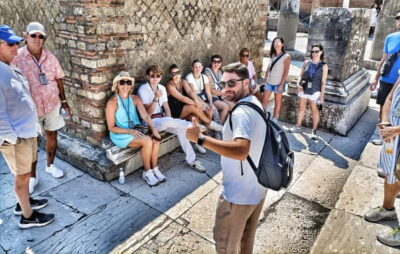 ★ 4.9Exclusive Tour with Archaeologist and Entry TicketsFrom $50634 reviews
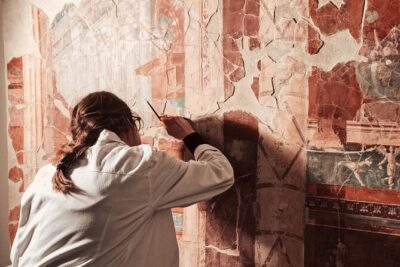 ★ 5.0Pompeii Private Tour with an Archaeologist and Skip The Line – 3 hoursFrom $302564 reviews
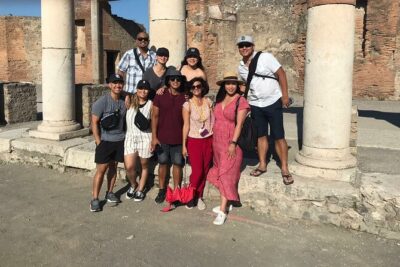 ★ 5.0Pompeii Skip-the-line Tour with Archaeologist GuideFrom $71559 reviews
Browse the lists this tour appears in