
Reviewed · POMPEII AUDIO GUIDE TOURS
Ercolano: Herculaneum Entry Ticket with Optional Audio Guide
Herculaneum feels eerily close to daily life. With one ticket, you walk the cobbled streets of a UNESCO site frozen in ash after Vesuvius in 79AD. What I love most is the way the ruins still show real houses and routines, not just stones. One thing to plan for: the audio app can be tricky (and data-hungry), so you’ll want to be ready before you start walking.
I also like that your visit is flexible and self-paced—you can do it at your speed, and many people say it’s perfectly doable in about 3 hours if you stay focused. The drawback is that the site isn’t built like a guided museum tour. If you rely only on audio, you may occasionally feel a step behind unless you’re paying close attention to where you are.
In This Review
- Key points to know before you go
- Herculaneum Entry: What This Ticket Actually Buys You
- Where You Redeem Your Ticket at the Site
- Walking the Roman Streets: What Your Self-Paced Visit Feels Like
- The Preservation That Makes Herculaneum Worth the Trip
- Homes, Frescoes, and Daily Life: How to Get More From Each Area
- Audio Guide Options: Phone App vs Physical Device
- My practical advice: set yourself up before you enter
- If audio is your make-or-break feature
- Timing Your Visit: Opening Hours and Real Exit Limits
- Price and Value: Is $21 a Good Deal for Herculaneum?
- Herculaneum vs Pompeii: The Reason People Pick This One
- What to Wear and Bring (So You Enjoy It)
- Should You Book This Ercolano Ticket With Optional Audio?
Key points to know before you go
- Exceptional preservation: roofs, beds, doors, food, and even human remains help you picture daily life.
- Cobbled streets + intact spaces: you can follow a realistic walking feel through the town.
- Choose your audio setup: digital app on your phone or a physical device option.
- Shade strategy matters: in summer, houses and roofs can offer relief, and an umbrella can help.
- Less crowded than Pompeii: the site is often easier to manage, even in busy seasons.
- Bring headphones: it’s the easiest way to get the most from the audio moments you’ll want.
Herculaneum Entry: What This Ticket Actually Buys You

This is a straightforward deal: you pay for admission to Herculaneum (Ercolano) and, if you select it, you get an audio guide you can use on your phone or via a physical device. No guided group is included, which is important. It means you’re the director of your own visit—great if you like pacing yourself, less great if you want a constant human narrator.
Herculaneum’s biggest draw is also its difference from Pompeii. The eruption buried the town under volcanic ash, and that happened fast enough that a lot survived in unusually intact form. You’re not just looking at foundations. You’re looking at spaces that once held beds, doors, and daily activity. It’s unsettling in the best way—history that still feels “lived in,” even though it’s tragedy in stone and ash.
The ticket is valid for one day, and you can check available starting times. That matters because you’ll want to match your pace to the light, heat, and crowd level. If you can arrive earlier in the day, you’ll generally have an easier time moving from stop to stop.
Set your own pace with an audio guide
- Herculaneum: Skip The Line Entrance ticket + Audioguide
★ 4.3 · 266 reviews - Vesuvio Skip The Line Ticket With Digital Audioguide
★ 3.2 · 91 reviews - Herculaneum Archaeological Park smart Audio Tour
★ 3.8 · 70 reviews
Where You Redeem Your Ticket at the Site

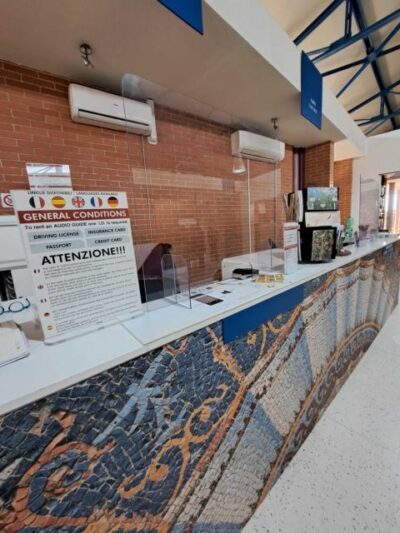
You’ll redeem your ticket by showing your mobile voucher at the online ticket desk on site. That’s it. No complicated off-site pickup. No wandering around for the “real” office.
Still, do yourself a favor: when you arrive, take 10 minutes to find the redemption desk and confirm your entry. One review noted it took a bit of effort to locate the ticket redemption place, until the person realized it was right where most visitors were already going. In other words: don’t overthink it—watch the flow, then follow it.
If you choose the audio option, plan to troubleshoot quickly if something feels off. The audio desk isn’t described in detail, but one review reported QR code recognition issues. So treat audio setup like a “pre-flight check,” not a “hope it works” moment.
Walking the Roman Streets: What Your Self-Paced Visit Feels Like
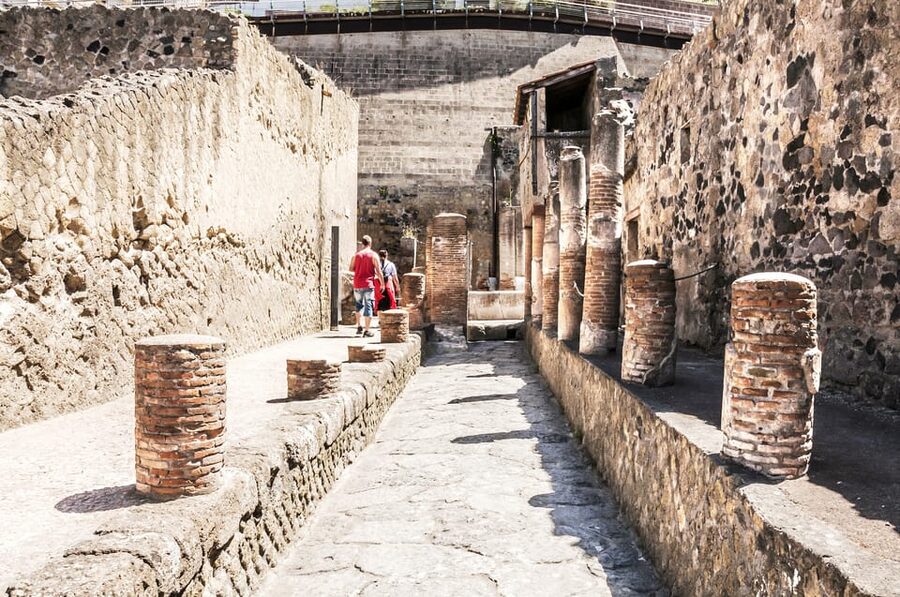
Once you’re inside, you’re free to explore at your pace. The core experience is the walking: cobbled streets lined with ruins that keep their layout. That layout is the magic. It turns “things you see” into “a town you understand.”
In many ways, Herculaneum is easier to emotionally process than its louder neighbor, Pompeii. It’s smaller and more compact, and that compactness helps you connect the dots. You’re not sprinting across a huge grid of ruins while your mind tries to remember what you looked at 30 minutes ago. Instead, you can linger where something catches your eye—frescoes, doorways, architectural details, or just the way the streets curve around buildings.
A lot of visitors also treat this as a half-day anchor. Several reviews say they wrapped things up in around 3 hours. That’s not a rule, but it’s a useful planning benchmark. If you’re the type who reads every sign, you might take longer. If you’re more “look closely, absorb, move,” 3 hours could feel just right.
The Preservation That Makes Herculaneum Worth the Trip
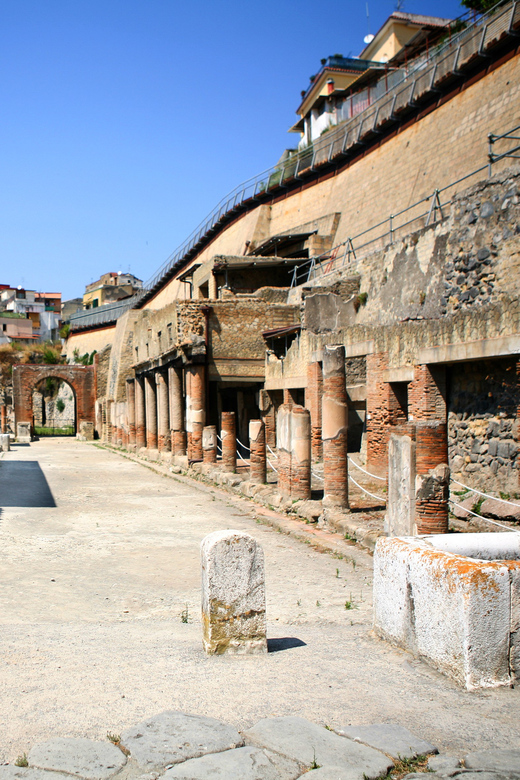
Herculaneum is famous for preservation, and this ticket puts you in front of why that matters. After 79AD, the town was buried under ash. But unlike Pompeii, much of Herculaneum kept its structures: roofs, beds, doors, and even remains of people. That is what turns the site from impressive to memorable.
Why should you care? Because these details let you imagine daily life with less guesswork. You can picture:
- how rooms were used,
- how spaces were entered and exited,
- what people slept on,
- how everyday objects were positioned.
One of the most haunting details is the mention of 300 skeletons discovered at the site. That number is part of the experience here, not an afterthought. It’s a reminder that you’re walking through real human lives interrupted by catastrophe. If you’re sensitive to heavy historical moments, this is worth knowing up front.
Also, preservation comes with a bonus for architecture lovers. Frescoes and building features often look clearer than you’d expect from ruins. The result is that you can focus on how the city was designed, not only on what’s missing.
Homes, Frescoes, and Daily Life: How to Get More From Each Area

Your entry gives you access to intact buildings you can explore on your own. The site includes well-preserved spaces like shops, a public gymnasium, and public swimming baths that can still be seen. It’s not just “house after house.” You get a mix of private life and public life, which helps you form a more complete picture of Roman routines.
Here’s how I’d approach it if you want the most value from a self-guided visit:
- Start by orienting yourself: pick a few buildings you want to “read” slowly—like you’re exploring rooms, not just taking photos.
- Look for the daily-life clues: doorways, thresholds, interior layouts, and wall decoration (especially frescoes).
- Don’t rush the in-between spaces: those streets and passages help you understand flow—how people moved around the town.
Some reviews praised the audio for revealing interesting information house by house, especially for anyone who likes architecture or daily habits. That’s a key point: with audio, your attention tends to land on the details you might otherwise miss.
One caution: the site may not be as signposted as you’d like. A few reviews wanted more information boards or better signage, and one person said it was difficult to find the right audio dialogue for where they were standing. So if you’re the kind of person who needs constant guidance, consider how much patience you have for figuring out your “stop” as you go.
More of Herculaneum next door

Audio Guide Options: Phone App vs Physical Device

You have two audio formats depending on what you choose:
- A digital audio guide app you download to your smartphone
- Or a physical audio guide device (if that option is selected)
The digital app is listed as available in English, French, Italian, and Spanish. The broader audio options list English, French, German, Italian, and Spanish too, so if language matters, double-check what’s included with your selected audio type.
My practical advice: set yourself up before you enter
Several reviews highlight practical audio issues:
- The audio can be data-hungry, and there may not be much coverage at the site.
- Navigation in the app can feel confusing if you’re not shown how to map it to where you’re standing.
- One review recommended downloading the audio guide before you get there for better results.
- Another review complained the app wasn’t well structured and turned it off after a short time.
So do this:
- Download anything you need while you still have reliable Wi‑Fi or cellular data.
- Bring headphones so you can focus without blasting audio in your own ears.
- Keep your screen brightness moderate. You’re outdoors and walking; you don’t want to be squinting.
Also, one review mentioned using a non-official audiobook via headphones. That suggests you should be careful about what you’re actually playing, not just what’s available on the internet. Stick to the audio access you’re given in your booking confirmation.
If audio is your make-or-break feature
Audio can transform Herculaneum. But a few reviews also say a real guided tour might be better if you want clearer direction. That’s a fair tradeoff: audio is flexible and cheaper, but human guidance is often simpler when you’re trying to locate features quickly. If you’re a first-timer and you hate hunting for where you are in a program, you may want to consider a guided approach at least on one day of your Naples-area trip.
Timing Your Visit: Opening Hours and Real Exit Limits

This site has strict last admission and exit times, so don’t treat it like a “show up and wander forever” situation.
From March 16 to October 14:
- Open 9:30 AM–7:30 PM
- Last admission 6:00 PM
- You must leave the archaeological area by 7:00 PM
From October 15 to March 15:
- Open 8:30 AM–5:00 PM
- Last admission 3:30 PM
- You must leave by 4:40 PM
This impacts how long you should plan to spend inside. If you arrive late, you’ll lose the chance to linger where the place hits hardest. For many people, 3 hours works well—enough time to see key areas without feeling rushed, assuming you start earlier in the day.
Price and Value: Is $21 a Good Deal for Herculaneum?
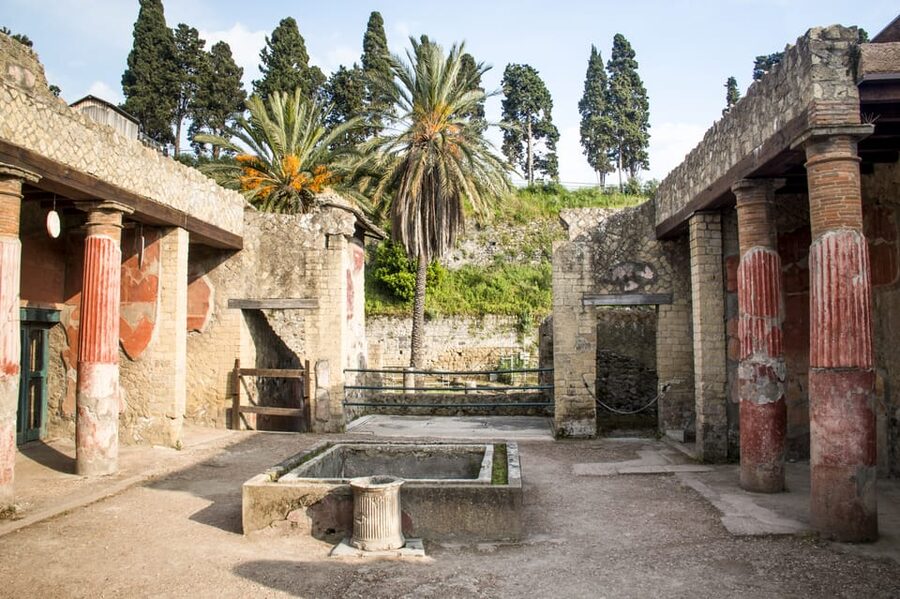
The summary price lists $21 per person for entry. On paper, that’s reasonable for a UNESCO site with this level of preservation. But value depends on what you choose with your ticket.
If you select the audio option, you’re paying extra for a guided layer. Reviews are mixed on how smoothly the audio works, but when it does work, the audio provides useful context about people and social structures, and it can help you notice differences from building to building.
So here’s how I’d judge value:
- If you’re okay wandering and you like context, the ticket is good value.
- If you strongly rely on audio and you’re picky about app navigation, you might want to make sure your audio access is working on arrival.
- If you feel audio setup issues would ruin your day, you might consider a guided tour option instead of (or on top of) this self-guided ticket.
Also, one review reported a situation where someone felt they paid far more than expected and then didn’t receive the audio as intended due to QR code recognition issues. I can’t tell you what happened in that case, but it’s a useful reminder: when you arrive, verify your entry and audio access right away so you don’t lose that extra spend.
Herculaneum vs Pompeii: The Reason People Pick This One
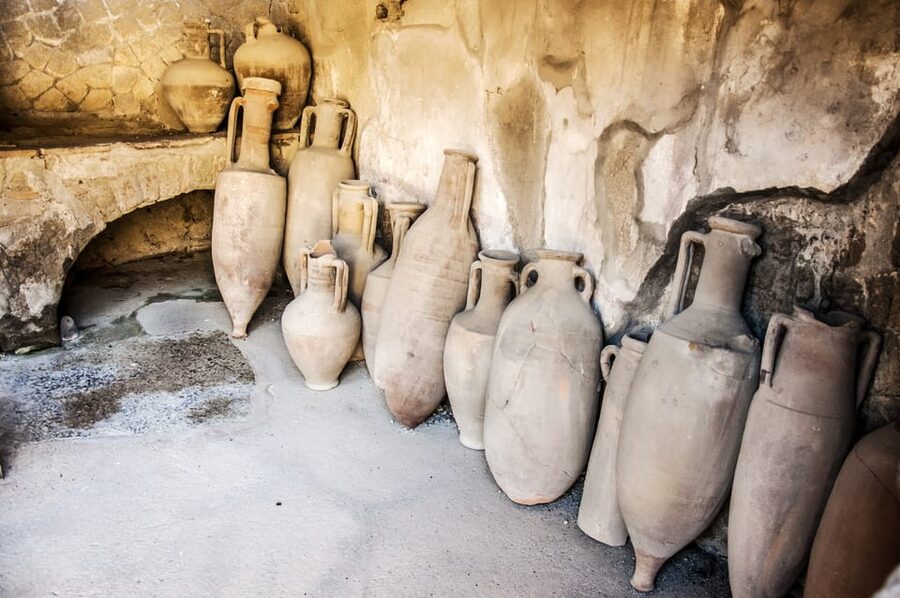
If you’re doing the Naples area classic comparison, you already know the tension: Pompeii gets all the headlines. Herculaneum doesn’t just play backup.
People who visited both sites often preferred Herculaneum for two main reasons described in reviews:
- it’s less overwhelming because it’s smaller and easier to manage,
- it’s far more preserved, which makes everyday details easier to visualize.
So if your goal is understanding how people lived—the feel of rooms, routines, and decoration—Herculaneum is often the better fit. If your goal is raw scale and big sweeping ruins, Pompeii may still win on size. But with one day in hand, Herculaneum can feel like the higher-impact experience per hour.
What to Wear and Bring (So You Enjoy It)
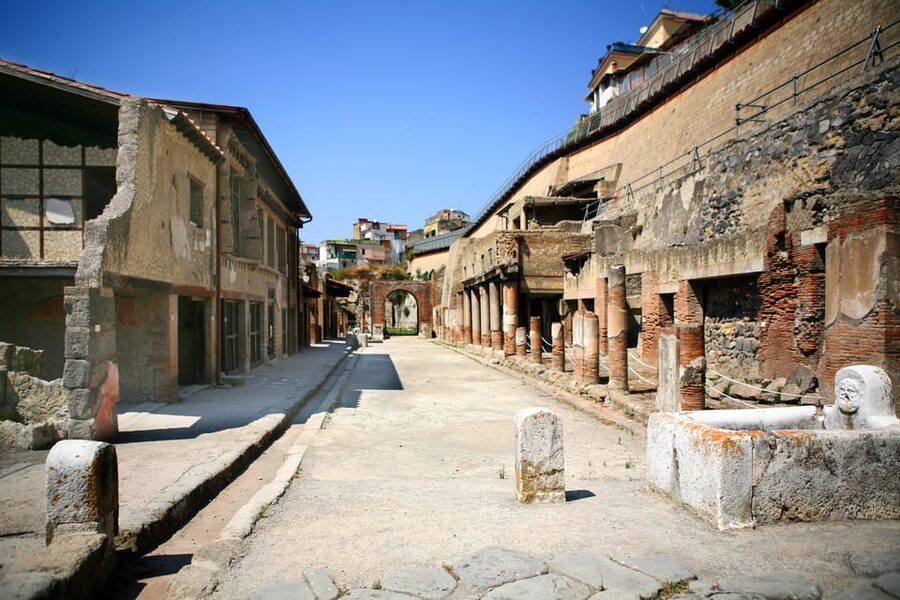
The site calls for dress appropriately and comfortable shoes. That’s not filler advice. You’ll be walking over cobbles, and you’ll do it on a schedule that can mean early evening or mid-afternoon heat depending on the season.
A few practical tips taken from real experience:
- Wear shoes you can stand on for a long time.
- In summer, expect real heat. One review specifically suggested shade strategy and even bringing an umbrella.
- If you’re using the audio app, bring your headphones and make sure your phone battery is topped up.
And if you’re the type who hates being rushed, arrive early. Multiple reviews mention going out of season or arriving early can mean fewer crowds and a calmer visit.
Should You Book This Ercolano Ticket With Optional Audio?
Book it if you want a self-paced walk through one of the best-preserved Roman sites in the world, and you enjoy figuring out the story by looking closely. At around $21 for entry, it’s hard to beat for what you get: cobbled streets, intact buildings, frescoes, baths, and a haunting reminder of 79AD.
Don’t book it blindly if audio is your main plan. The audio guide can be very informative, but there are documented issues with app navigation, limited coverage, and occasional confusion about where to listen. If you’re traveling with limited data, hate app troubleshooting, or you want clear direction for finding each building feature fast, you might consider adding a guided tour elsewhere—or choosing a physical device option if that seems easier for you.
If you do book: download the audio beforehand, bring headphones, and give yourself enough time to linger. Herculaneum rewards slow looking more than speed-walking.
More Tour Reviews in Ercolano
- Herculaneum: Skip The Line Entrance ticket + Audioguide★ 4.3 · 266 reviews
- Naples: Pompeii and Herculaneum Tour with Tickets and Lunch★ 4.4 · 136 reviews
- Vesuvio Skip The Line Ticket With Digital Audioguide★ 3.2 · 91 reviews
- Herculaneum Archaeological Park smart Audio Tour★ 3.8 · 70 reviews
- Herculaneum: Private Walking Tour with Archeologist Guide★ 5.0 · 59 reviews
More of Herculaneum
- Herculaneum: Skip The Line Entrance ticket + Audioguide★ 4.3 · 266 reviews
- Naples: Pompeii and Herculaneum Tour with Tickets and Lunch★ 4.4 · 136 reviews
- Herculaneum Archaeological Park smart Audio Tour★ 3.8 · 70 reviews
- Herculaneum: Private Walking Tour with Archeologist Guide★ 5.0 · 59 reviews
- Herculaneum: 2hour Shared Guided Tour + entry tickets★ 4.3 · 38 reviews
More Audio-Guided Visits
- Herculaneum: Skip The Line Entrance ticket + Audioguide★ 4.3 · 266 reviews
- Vesuvio Skip The Line Ticket With Digital Audioguide★ 3.2 · 91 reviews
- Herculaneum Archaeological Park smart Audio Tour★ 3.8 · 70 reviews
- From Naples_ Vesuvius transfer+ticket and digital audioguide★ 3.7 · 58 reviews
- Herculaneum: Skip-The-Line Entrance Tickets + Audioguide★ 4.7 · 3 reviews
Just reviewed: more Ercolano tours and day trips






Pompeii Audio Guide Tours, compared.
 ★ 4.2Entry Ticket with Optional Audio GuideFrom $2612,360 reviews
 ★ 4.0Skip-the-Line Entrance Ticket with Audio GuideFrom $392,509 reviews
 ★ 4.1Skip-the-Line Entry Ticket with Digital Guide AppFrom $22770 reviews
 ★ 4.3Herculaneum: Skip The Line Entrance ticket + AudioguideFrom $35266 reviews
 ★ 3.8Skip-the-Line Entry & AudioguideFrom $53225 reviews
 ★ 3.5Skip the line ticket (art) + audioguide + mapFrom $44155 reviews
 ★ 4.0Skip-the-Line Ticket with Audio Guide and MapFrom $44117 reviews
 ★ 3.2Vesuvio Skip The Line Ticket With Digital AudioguideFrom $2991 reviews
Browse the lists this tour appears in