
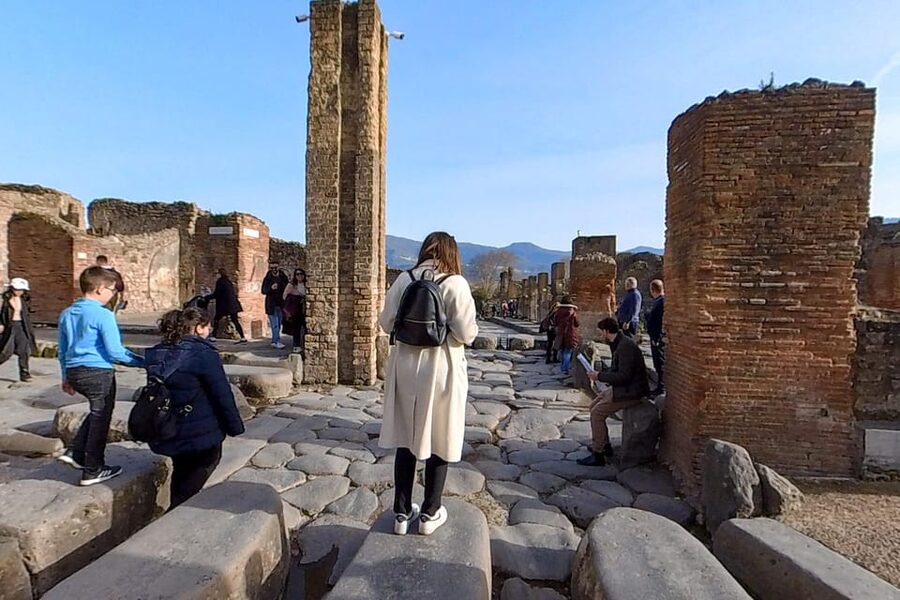
Reviewed · POMPEII SKIP-THE-LINE ENTRY
Pompeii: 2 Hours Skip the Line Visit with a Licensed Guide
Pompeii hits fast and hard. In just 2 hours, this skip-the-line tour from Hotel Vittoria helps you make sense of a city buried and preserved by Vesuvius, with guided stops that cover what people ate, worked, and did for fun. It’s a focused way to see Pompeii without getting stuck in ticket lines.
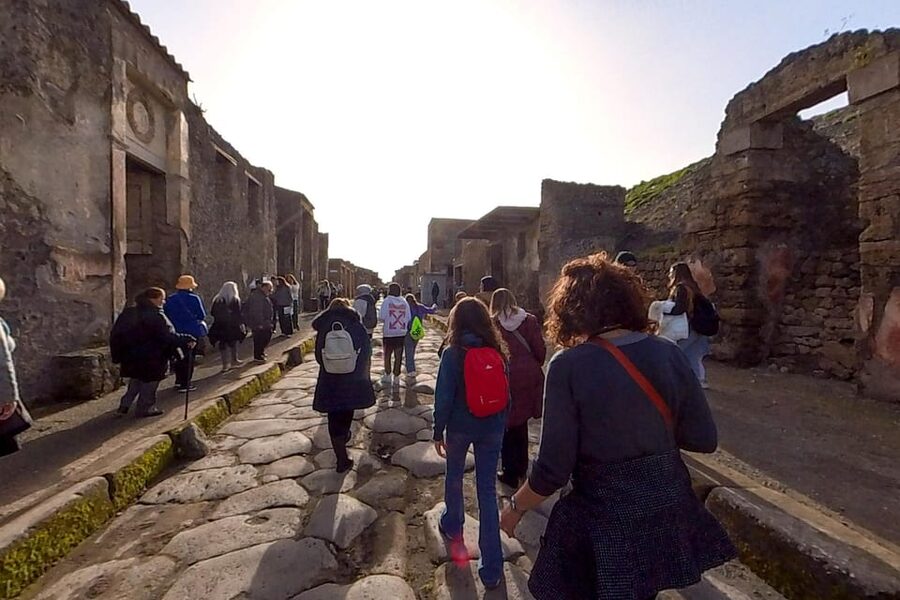
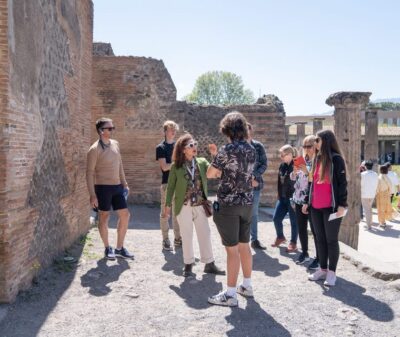
I especially like the licensed guide approach and the fact that you get headsets. The guide narration helps you connect street-level ruins to daily life, from frescoes and houses to markets and artisan workshops. You’re not just looking at stones.
One thing to consider: the structured guided portion can run shorter in some schedules. A few people reported getting closer to about an hour or 1.5 hours instead of the full two, so I’d plan your day with a little buffer.
In This Review
- Key highlights I’d plan around
- Pompeii in Two Hours: how this tour keeps things focused
- Meeting at Hotel Vittoria (Piazza Esedra) and getting in smoothly
- The Pompeii route: Forum, houses, and the working city
- Thermopolium: the ancient fast-food stop
- Lupanare: what Pompeii shows about nightlife and social life
- Terme Stabiane (Stabian baths): where locals relaxed and traded news
- Group size, timing, and the real value of a $58 price tag
- Who this Pompeii tour fits best
- How to prepare so you enjoy every stop
- Should you book this Pompeii skip-the-line tour?
- FAQ
- How long is the Pompeii skip-the-line visit?
- Where do we meet for the tour?
- What languages is the live guide available in?
- Are headsets provided?
- What do I need to bring?
- Does this tour include Pompeii entry tickets and skip the ticket line?
Key highlights I’d plan around
- Skip-the-line entry with tickets handled for you
- Hotel Vittoria meeting point at Piazza Esedra, near the ticket office
- Roman Forum + a Roman house to understand politics and everyday routines
- Thermopolium and Lupanare for how people ate and socialized
- Terme Stabiane (Stabian baths) to see Roman relaxation and meeting culture
- Headsets to hear the guide clearly in a crowded site
Pompeii in Two Hours: how this tour keeps things focused
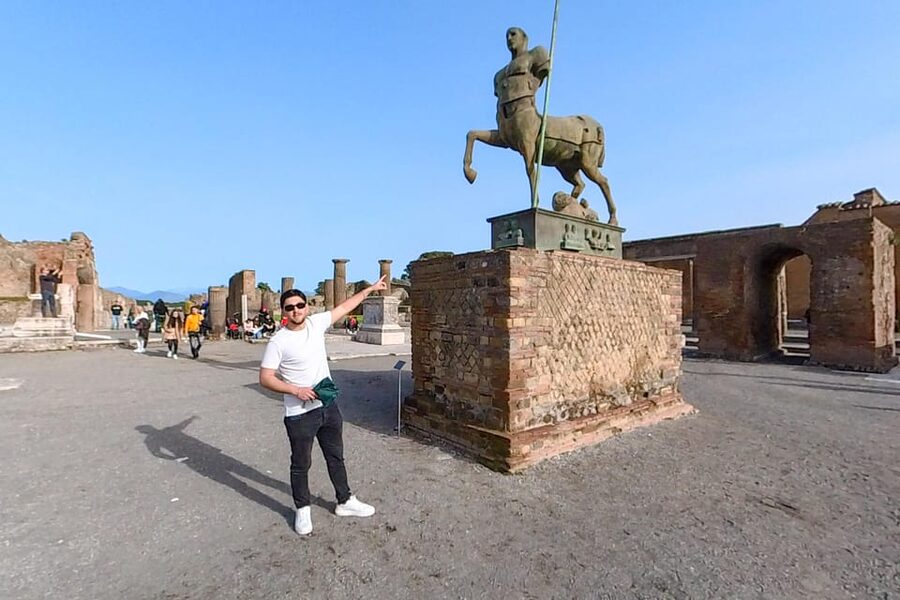
Pompeii is huge, and it’s easy to get lost in the best way—then run out of time. This tour is built for the reality that most visitors have limited hours. You get a guided walkthrough that hits the big anchors of daily life and public space, without trying to cover every single block.
The theme is practical: you’re learning how a Roman town worked—politics and commerce in the Forum, homes where people lived, and workshops where goods were made. Then you shift to the places people used for meals and nightlife, like the Thermopolium and the Lupanare. The message you’ll get is that Pompeii wasn’t frozen as a museum display. It was an active city.
The tour also pays attention to the eruption story—how the disaster “froze” the city and why certain areas look so well preserved. That context matters, because you’ll notice more when you understand what you’re seeing.
More ways past the ticket queue
- Pompeii: Skip-the-Line Entrance Ticket with Audio Guide
★ 4.0 · 2,509 reviews - Pompeii: Guided Tour with Skip-the-Line Entry
★ 4.9 · 812 reviews - Pompeii: Skip-the-Line Entry Ticket with Digital Guide App
★ 4.1 · 770 reviews
Meeting at Hotel Vittoria (Piazza Esedra) and getting in smoothly
The meeting point is at the ticket office near Hotel Vittoria in Piazza Esedra. This matters because Pompeii entry can get chaotic, and any time you lose at the start is time you lose on the ground.
One plus here is that the entry tickets are part of the plan: the tour includes Pompeii entrance tickets, and the operator notes they purchase tickets through the reservation to guarantee access. If you’re eligible for a reduced or free ticket, there’s also a path for that via the reservation.
I’d bring your passport or ID card as requested. On tours like this, it’s not just about entry—it’s about avoiding the delays that can cascade into shorter time on site.
Finally, headsets are included, which is a small detail with big impact. Pompeii is loud enough at peak times that it’s easy to miss key explanations without audio support.
The Pompeii route: Forum, houses, and the working city
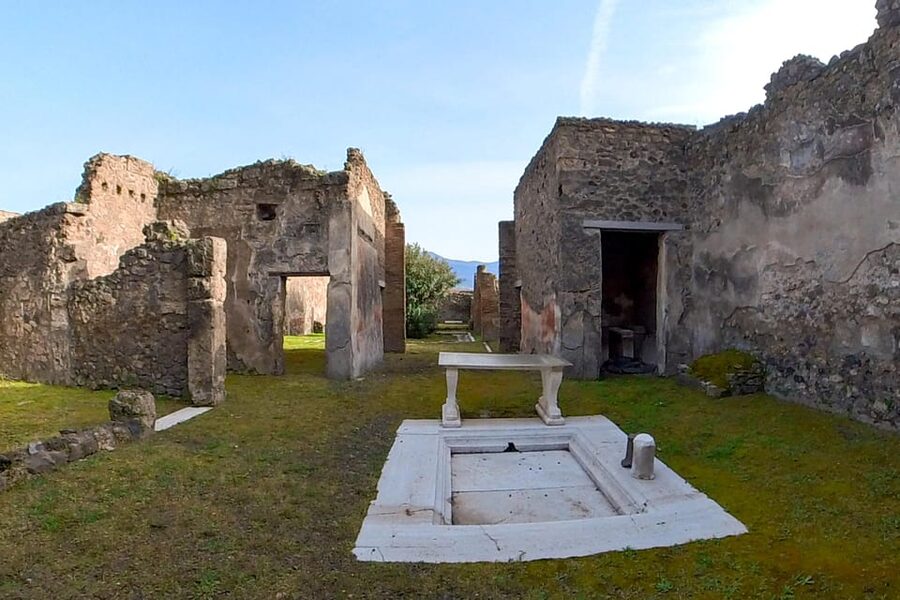
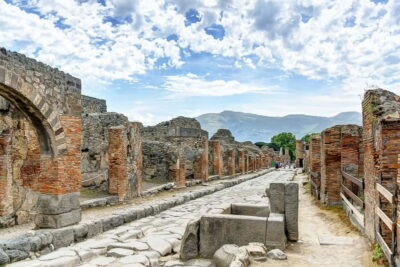
The heart of this experience is the Pompeii Archaeological Site guided portion. You’re not touring randomly. You’re moving through areas that show how Romans organized their day.
You start with the kind of places that help you orient fast:
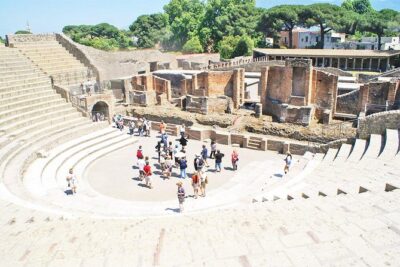
- Roman Forum: where politics and commerce ran together
- An ancient Roman house: a window into domestic life, not just temples and streets
- Markets and artisan workshops: the city’s production side, where everyday goods came from
These stops work because they follow cause and effect. You see the public spaces where decisions and buying happened, then you walk toward the private and working spaces. That structure is what turns ruins into a story you can follow.
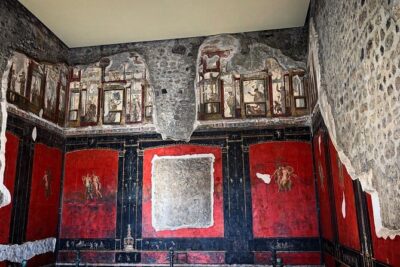
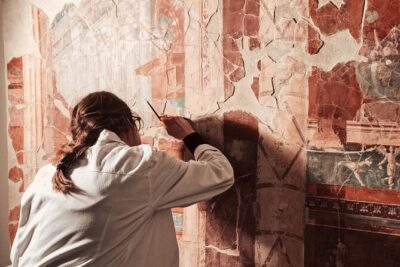
Also, the tour description points out well-preserved evidence you can still see: houses, workshops, and frescoes tied to daily life. Frescoes are one of those things where a guide’s context makes a huge difference. Without explanation, you might notice decoration. With it, you start to recognize what people wanted you to understand about themselves.
Thermopolium: the ancient fast-food stop
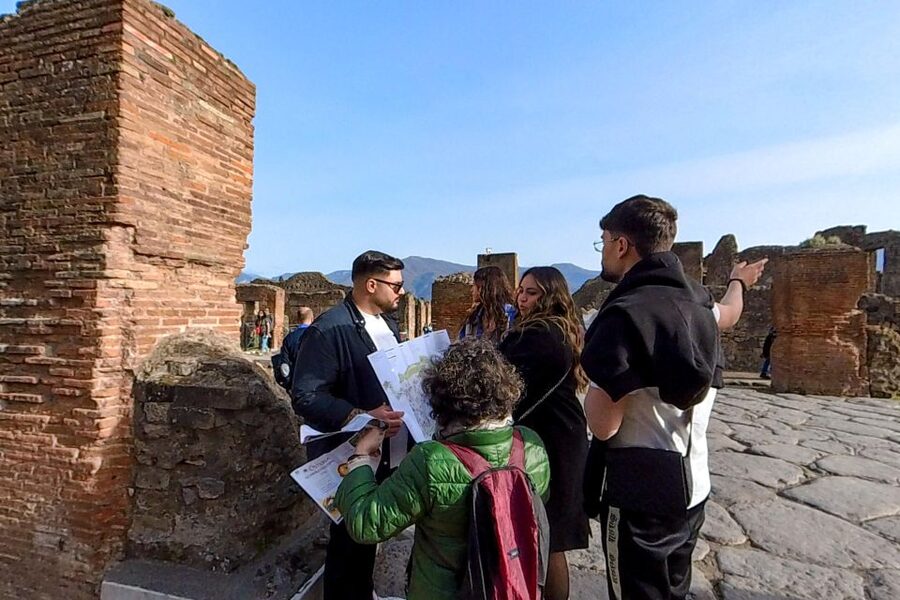
One of the most memorable parts is the guided visit to the Thermopolium. This is Pompeii’s quick-meal culture—an early form of grab-and-go food, with counters and setup designed for customers who weren’t planning to stay all day.
Why I like this stop for visitors: it breaks the usual “temples and tombs” pattern. The Thermopolium helps you picture an ordinary day. If you’ve ever wondered what people ate when they were busy, this is where the ruins stop being abstract.
You’ll also get a feeling for how food and movement fit into the city’s layout. Even if you’re not a food-history person, Pompeii’s food context tends to click because it’s tangible and human. It’s about hunger, routine, and convenience.
Lupanare: what Pompeii shows about nightlife and social life
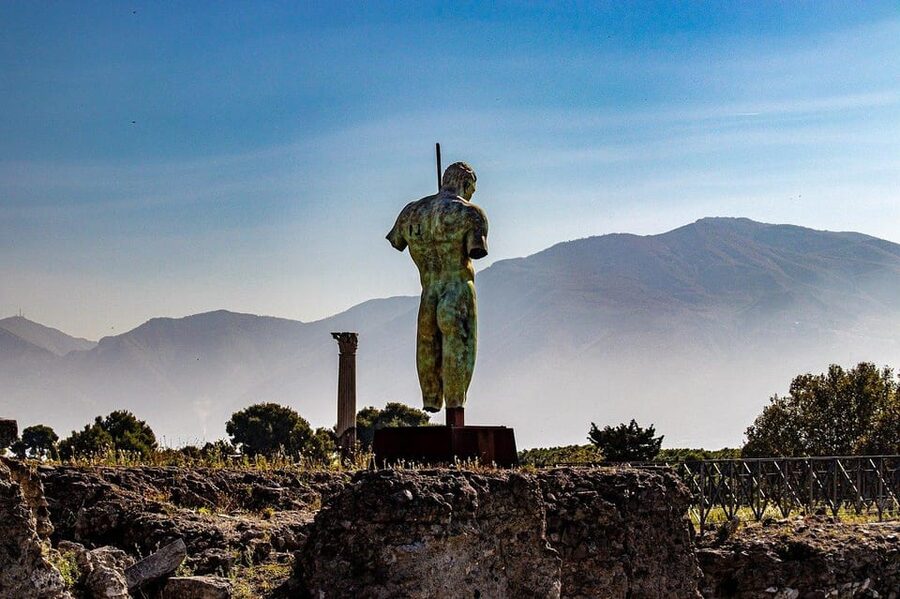
Next comes the Lupanare, Pompeii’s brothel. This stop can be surprisingly effective because it’s not packaged as scandal. It’s presented as part of the working social map of the city.
This is also where having a guide helps. Places like this are easy to reduce to a headline. A good guide keeps it grounded—who went there, how it functioned, and what the setting tells you about daily life. Since this is a guided experience, you’re more likely to leave with understanding instead of just a quick photo and a shrug.
I’d treat this portion like a history lesson, not a shock stop. If you’re sensitive about adult themes, keep it in mind before you book. The upside is that it rounds out Pompeii into a full picture of how people lived, not only what they worshipped or built.
More guided visits to choose
Terme Stabiane (Stabian baths): where locals relaxed and traded news
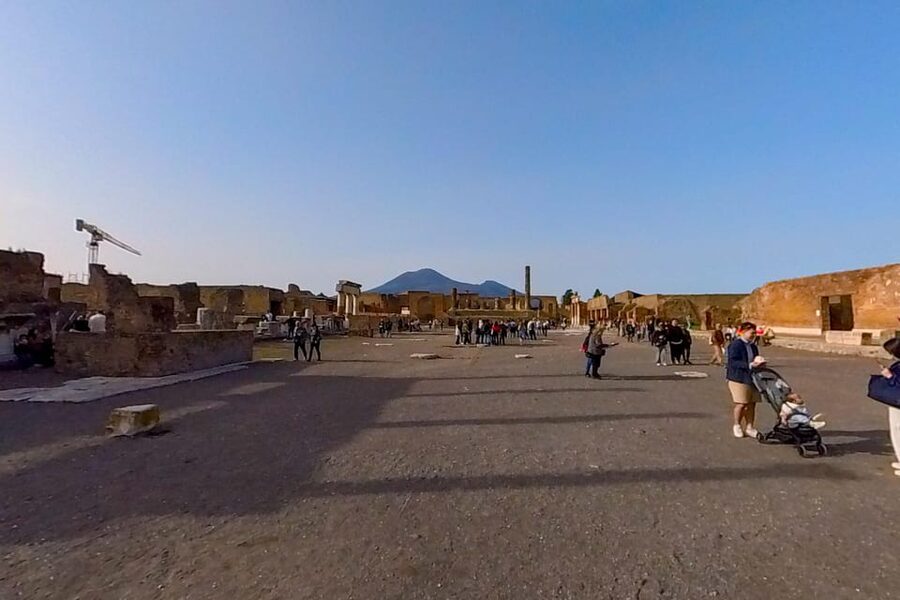
The tour finishes its guided stops with the Terme Stabiane (Stabian baths). Roman baths weren’t just for cleaning. They were social hubs—places where people met, chatted, and showed up as part of daily rhythm.
This makes the baths a smart final anchor. You’ve seen the city’s work and commerce side. You’ve seen meals and adult nightlife. Then you shift to relaxation, conversation, and public routine. It’s the kind of contrast that helps your brain organize what you’ve seen.
Also, baths are one of those sites where architecture and function connect. Even if you don’t know Roman terms, you’ll start noticing how spaces were arranged for different activities. With narration, it turns into a practical understanding of how people used the buildings.
Group size, timing, and the real value of a $58 price tag
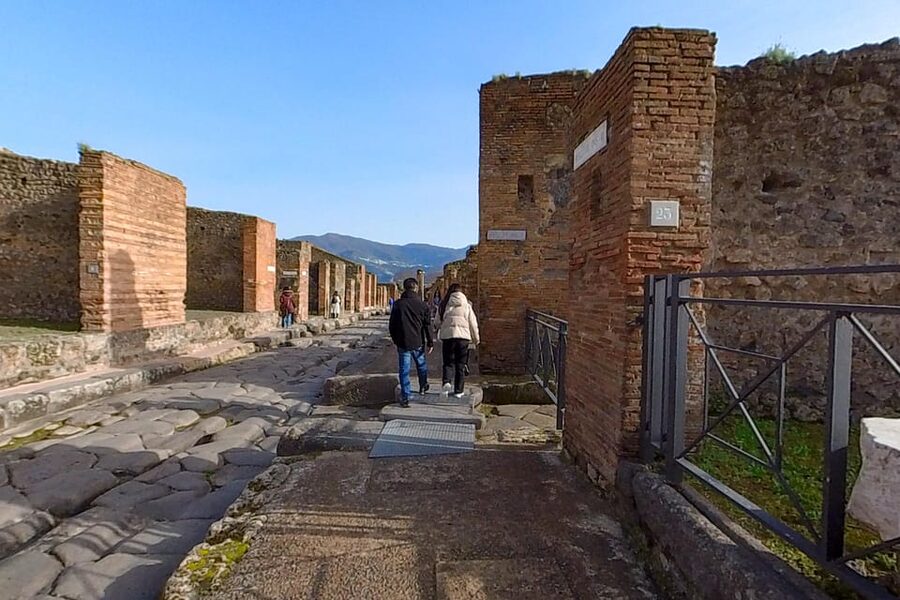
At $58 per person for a 2-hour skip-the-line visit, this sits in the middle of the Pompeii tour market. The big question is value: is the time worth the money?
For many people, the value is in the combination:
- a licensed guide doing the interpretation
- headsets so you can actually hear in a busy site
- entry tickets included as part of the package
- a route that covers several key Pompeii themes quickly
Still, timing is the part you should watch. Some bookings were shorter than expected. A few people reported the guided segment ending early because other groups moved on, even though they could continue exploring afterward on their own. That’s a pattern you can plan around: don’t assume the full two hours of active guidance will always happen like clockwork.
What would I do with this knowledge? If Pompeii is a major day for you, schedule your next activity later than usual. Give yourself room for the ruins to run long, and for the tour pace to match the day’s flow.
Group size is another factor. One comment flagged that the group can be large. If you prefer quiet, slower conversations with the guide, you might feel the limits of a group schedule. If you’re more about hitting the highlights efficiently, a larger group isn’t automatically a dealbreaker.
One more practical note: organization at the meeting point seems to vary by day. In one case, the guide—Carlo—helped people find the meeting location when signage wasn’t obvious. That’s reassuring if you’re arriving on foot and you’re not totally sure where Piazza Esedra ticket counters line up.
Who this Pompeii tour fits best
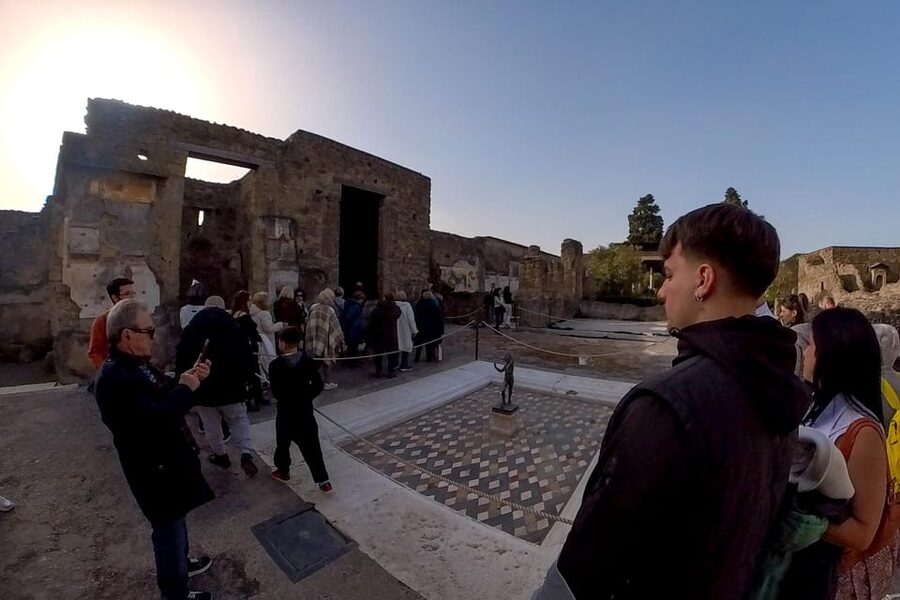
This works well if you:
- want a quick, guided orientation to Pompeii’s most famous stops
- like structure—Forum, houses, workshops, then everyday life spaces
- don’t want to spend precious vacation hours sorting out logistics
It may not fit you as well if you:
- hate the idea of sharing the experience with a larger group
- need a strict, guaranteed exact timing window for the guided portion
- want a super slow pace with lots of free wandering time during the guided segment
If you’re the kind of visitor who enjoys reading a guidebook on your own, you could also use this tour as a primer, then spend the rest of your day exploring. The route is designed to give you enough context to roam intelligently afterward.
How to prepare so you enjoy every stop
Pompeii rewards preparation. A few simple moves can make the whole experience smoother:
- Wear comfortable shoes. The site is uneven, and you’ll be walking between stops.
- Bring your passport or ID so entry isn’t delayed.
- Expect adult-themed content at the Lupanare stop, and decide how you want to handle that before you go.
- If you’re picky about timing, plan a later start for your next appointment. Some schedules can shift the guided time.
And when you’re in the Forum, houses, workshops, baths, and food stops, do what guides are good for: ask your brain to connect the dots. One scene (like a market workshop) helps you understand another (like daily life in frescoed spaces). That’s how Pompeii stops being a checklist and starts becoming a believable town.
Should you book this Pompeii skip-the-line tour?
I’d book it if you want an efficient, guided introduction to Pompeii’s everyday life—from commerce and homes to meals and social spaces—plus help getting in without waiting at the ticket line.
I would hesitate if you’re counting on exactly two hours of guided time every time, or if you’re very sensitive to the adult-theme stop at the Lupanare. Also, if you’ve got tight timing for the rest of your day, add buffer. In practice, the structured tour can run short on some departures.
Overall, this is strong value when you treat it as a guided primer you can build on, not as a guaranteed long, one-to-one experience.
FAQ
How long is the Pompeii skip-the-line visit?
The tour duration is 2 hours.
Where do we meet for the tour?
You meet at the ticket office near Hotel Vittoria in Piazza Esedra.
What languages is the live guide available in?
The live tour guide is available in English and Spanish.
Are headsets provided?
Yes. Headsets are included.
What do I need to bring?
Bring your passport or ID card.
Does this tour include Pompeii entry tickets and skip the ticket line?
Yes. Entry tickets to Pompeii are included, and it’s described as a skip-the-line visit.
More Guided in Pompei Campania
- Pompeii: Entry Ticket and Guided Tour with an Archaeologist★ 4.8 · 19,459 reviews
- Pompeii: Skip-the-Line Entrance Ticket with Audio Guide★ 4.0 · 2,509 reviews
- Pompeii: Skip-the-line-Ticket and Guided Tour★ 4.6 · 1,152 reviews
- Pompeii: Guided Tour with Skip-the-Line Entry★ 4.9 · 812 reviews
- Pompeii: Skip-the-Line Entry Ticket with Digital Guide App★ 4.1 · 770 reviews
More Tour Reviews in Pompei Campania
- Pompeii: Entry Ticket and Guided Tour with an Archaeologist★ 4.8 · 19,459 reviews
- Pompeii: Small Group Tour with an Archaeologist★ 4.8 · 12,264 reviews
- Pompeii: Skip-the-Line Entrance Ticket with Audio Guide★ 4.0 · 2,509 reviews
- Naples: Pompeii and Mt. Vesuvius with Lunch and Wine Tasting★ 4.5 · 2,454 reviews
- Pompeii: Skip-the-line-Ticket and Guided Tour★ 4.6 · 1,152 reviews
Skip-the-Line Entries, More to Book
- Pompeii: Skip-the-Line Entrance Ticket with Audio Guide★ 4.0 · 2,509 reviews
- Pompeii: Skip-the-line-Ticket and Guided Tour★ 4.6 · 1,152 reviews
- Pompeii: Guided Tour with Skip-the-Line Entry★ 4.9 · 812 reviews
- Pompeii: Skip-the-Line Entry Ticket with Digital Guide App★ 4.1 · 770 reviews
- Pompeii: Tour with Archaeologist Guide & Skip-the-Line Entry★ 4.5 · 478 reviews
Just reviewed: more Pompei Campania tours and day trips


Pompeii Skip-the-Line Entry, compared.
 ★ 4.0Skip-the-Line Entrance Ticket with Audio GuideFrom $392,509 reviews
 ★ 4.6Skip-the-line-Ticket and Guided TourFrom $641,152 reviews
 ★ 4.9Guided Tour with Skip-the-Line EntryFrom $58812 reviews
 ★ 4.1Skip-the-Line Entry Ticket with Digital Guide AppFrom $22770 reviews
 ★ 4.9Pompeii Ruins Private Tour with Optional Skip-the-Line EntryFrom $254732 reviews
 ★ 5.0Skip the Line Guided Tour of Pompeii led by an ArchaeologistFrom $95703 reviews
 ★ 5.0Pompeii Private Tour with an Archaeologist and Skip The Line – 3 hoursFrom $302564 reviews
 ★ 5.0Pompeii Skip-the-line Tour with Archaeologist GuideFrom $71559 reviews
Browse the lists this tour appears in