Reviewed · POMPEII
Sharing Tour of Pompeii
Ash still covers Pompeii’s secrets. In 2 hours 30 minutes, you’ll cover a tight set of stops that show how Romans lived, worshiped, and entertained in 79 AD—then had it all buried by Vesuvius and dug back up. I like that this tour keeps you moving through recognizable highlights instead of stretching the visit out all day.
Two things I really like: first, the small group size (up to 8), which makes it easier to ask questions and not feel like a human pinball in a crowd. Second, the stop mix is smart— you get a temple setting, an art-filled home, and the lupanari, so you leave with a more complete picture than a brochure route.
One drawback to consider: the Pompeii entrance ticket is not included in the tour price (it’s listed as €20 per person), so your final cost is the guide fee plus that admission.
In This Review
- Key highlights to know before you go
- Pompeii in 2½ Hours: What This Tour Covers
- Meeting at Pompei Scavi Villa Dei Misteri: Getting Started Without Stress
- A Guide-First Tour (Private for Your Group, Shared Price)
- Stop 1: The Roman Temple Buried by Vesuvius
- Stop 2: Casa dei Vettii and Roman Wall Art You Can Still Read
- Stop 3: The Lupanari and What the Ruins Tell You
- Price and Value: €193.49 Per Group Plus Pompeii Entry
- How to Get the Most Out of Each Stop
- Who This Tour Suits Best
- Should You Book This Pompeii Sharing Tour?
- FAQ
- Where is the meeting point for the tour?
- How long is the Pompeii sharing tour?
- Is the Pompeii entrance ticket included in the price?
- Does the tour offer pickup?
- What language is the tour guide?
- How big is the group?
- Is there free cancellation?
Key highlights to know before you go
- Up to 8 people per group: easier pacing and more time to understand what you’re seeing.
- Three “story stops”: a Roman temple, the Casa dei Vettii, and the lupanari brothel.
- English mobile tickets: simple day-of setup, plus a sign-based meeting with the guide.
- Pickup may be available: handy if you don’t want to figure out the start point on arrival day.
- Entrance ticket is extra: you’ll pay about €20 per person for Pompeii entry on top of the tour price.
Pompeii in 2½ Hours: What This Tour Covers
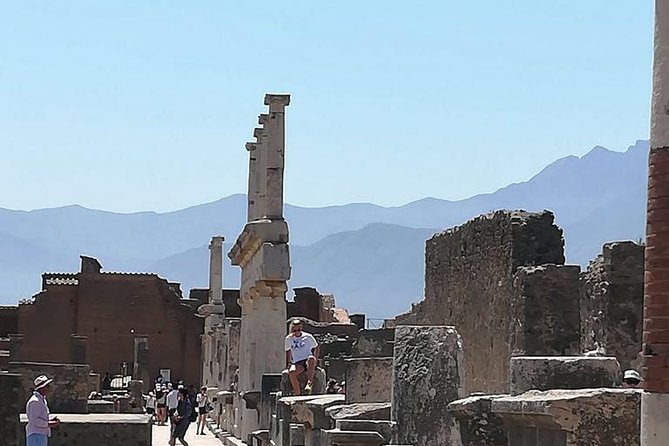
This is a focused Pompeii route built for people who want the big ideas fast. You’re not touring every street and every building. Instead, you hit key spaces that help you understand how a Roman city functioned: religion in one place, daily life (and art) in another, and adult entertainment in a third.
The pacing matters here. With a 2 hours 30 minutes runtime, you’ll want to treat each stop like a mini-lecture and a quick visual scavenger hunt. If you’re the type who likes to linger for long stretches taking photos, you might feel a little time pressure. But if you want direction—what matters, what to notice, and how it connects—this format is a good fit.
Not decided yet? A few more Pompeii tours worth weighing before you book.
- Pompeii Small Group Tour with an Archaeologist
★ 5.0 · 6,593 reviews - Discover the Ancient Ruins of Pompeii: Day Trip from Rome
★ 3.5 · 2,247 reviews - Pompeii and Herculaneum Small Group Tour with an Archaeologist
★ 5.0 · 1,350 reviews
Meeting at Pompei Scavi Villa Dei Misteri: Getting Started Without Stress
The tour starts at Pompei Scavi Villa Dei Misteri, in Pompei, near Naples. You’ll meet at 80045 Pompei, and the activity ends back at the same meeting point. That matters more than you’d think, because it keeps your logistics simple: you’re not walking across town hoping you’ll find your next connection.
For pickup, the info says pickup is offered, and you’ll look for the guide with the Sharing Tour of Pompei sign. That’s a nice touch when you’re arriving in a busy area. If you’re using public transportation, you’re also told the meeting area is near public transport, so you likely won’t need a taxi just to start the day.
If you want the day to feel smooth, I suggest getting there a few minutes early and taking a moment to find your guide sign. In sites like Pompeii, the biggest delays usually come from last-second confusion, not the walking time.
A Guide-First Tour (Private for Your Group, Shared Price)
The booking is described as a sharing tour with pricing set per group (up to 8). At the same time, the activity is listed as a private tour/activity where only your group participates. Translation for your day: you should expect your group to be together and guided, without other strangers joining mid-walk.
You also get a private tour guide included. That’s a real quality factor in Pompeii because it’s easy to look at walls and think, I know what this is. A good guide helps you see what you’d otherwise miss—like how particular buildings were used, why certain art survived, and what the layout implies about daily routines.
The tour is offered in English, and you’ll receive confirmation at booking time. The operator also provides mobile tickets, so you shouldn’t be dealing with printed vouchers.
One more note: the booking pace is often steady. The average booking time listed is about 50 days in advance. If you’re traveling during peak season or on a tight schedule, I’d plan to reserve early so you’re not hunting for last-minute availability.
Stop 1: The Roman Temple Buried by Vesuvius
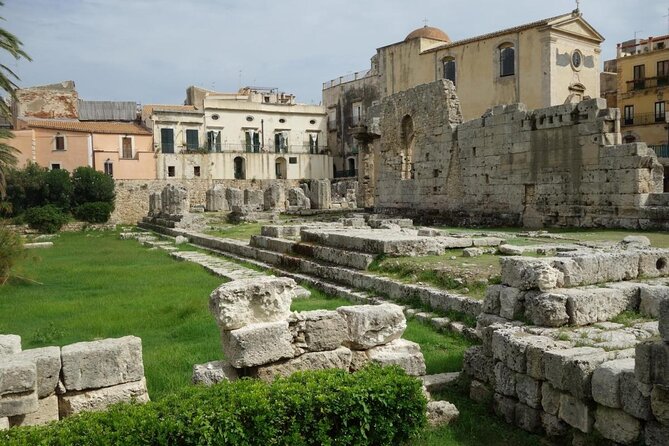
Your first major stop is a Roman temple. It was buried by the eruption of Vesuvius in 79 and recovered during later archaeological excavations. That basic timeline sounds simple, but seeing it in the ruins changes how you understand the city.
What you’ll likely focus on here:
- Sacred space and architecture: a temple reads differently when you can still trace form and intention.
- Why burial preserved details: ash acted like a lid, and Pompeii becomes a rare snapshot of a moment in time.
- How Romans organized civic-religious life: temples weren’t just religious objects; they were part of the city’s public identity.
A practical consideration: temples in Pompeii can be visually striking, but stone details can also feel small if you’re not sure where to look. This is where having a guide matters. Ask where your eyes should go first—front layout, altar area, or architectural lines. With direction, the stop goes from just wow to I get it.
Stop 2: Casa dei Vettii and Roman Wall Art You Can Still Read
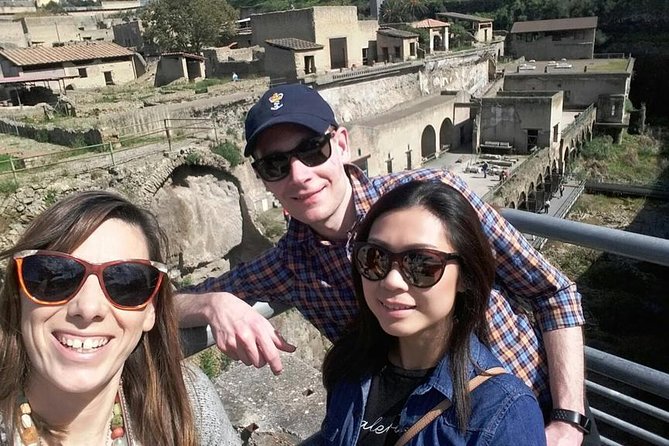
Next is Casa dei Vettii, described as a Roman domus (a private house) buried in the 79 eruption and later found by excavators. This home is specifically noted as one of the greatest examples of Roman art from the first century, and it’s named after the owners.
That name detail is useful. When a house is named for its owners, it tends to anchor the interpretation. You’re not only looking at decorative elements; you’re seeing how the residents used art to communicate taste, status, and personality.
Why this stop is so valuable on a shorter tour:
- You get art with context: wall decoration isn’t random. A guide can help you connect it to rooms and daily movement.
- It’s a house, not just a monument: Pompeii’s power is that you see real lives in real spaces.
- First-century art perspective: even if you don’t know Roman symbolism, you can still appreciate technique and purpose when it’s explained.
The main drawback of domus stops: you’ll often be walking through areas that can feel similar if you’re trying to absorb everything alone. In Casa dei Vettii, that risk is real. If you want this to land, listen for how your guide frames the art—what to notice first and what the imagery meant to people in that time.
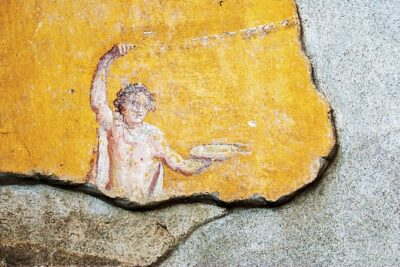


Stop 3: The Lupanari and What the Ruins Tell You
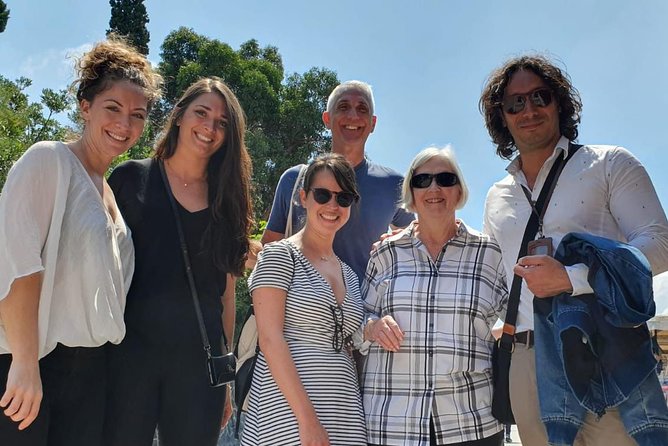
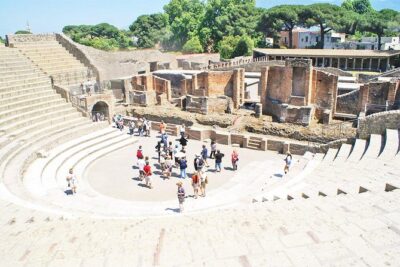
Your final listed stop is the lupanari—a word tied to the Latin lupa, meaning prostitute. The tour describes them as places dedicated to mercenary sexual pleasure, essentially appointment houses or brothels. Some of these spaces are still visible in Pompeii’s ruins.
This stop can be the most uncomfortable for some visitors, but it’s also one of the most honest windows into daily life. Pompeii wasn’t only temples and elite houses. It also had services and commerce, including adult entertainment.
What I’d expect you to take away:
- How commerce and sexuality operated in the city: the site layout and signage-like wall markings (where visible) hint at how people navigated the business.
- Why the topic still matters historically: not in a sensational way, but because it shows social reality rather than an edited version of the ancient world.
- The importance of context: a guide can keep it from becoming just shock value by explaining what the space was and how it functioned.
A consideration if you’re sensitive to adult themes: decide before you go how you want to handle it. If it doesn’t fit your comfort level, you can still appreciate the architecture and social context, but you may want to mentally brace for the subject matter.
Price and Value: €193.49 Per Group Plus Pompeii Entry
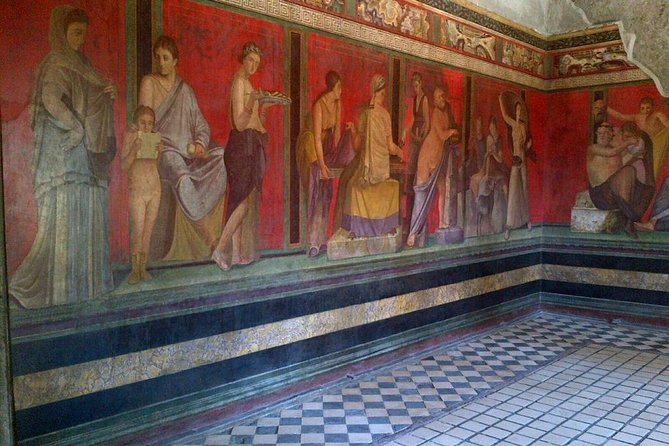
The listed price is $193.49 per group (up to 8) for about 2 hours 30 minutes. That’s not a per-person price, and that distinction changes the math.
Here’s the practical value play:
- If you’re traveling as a group of a few people, you may get a better deal than a per-person guided tour.
- You’re paying for a guide and a route structure that covers three big themes without wasting time.
- The entrance ticket is the big add-on: it’s listed as €20 per person and explicitly not included in the tour price.
So you should think of this as guide cost + admission. The info also says Pompeii entrance tickets are bought daily for customers. That suggests you won’t be scrambling at the last second, but the key point stays: plan for the €20 entry fee in your budget.
There’s also a small but real logistical consideration hinted by one negative review snippet you should take seriously: there can be last-minute trouble. If you’re traveling with tight timing, I’d keep your schedule flexible enough to handle the possibility of changes and make sure you check your messages close to departure time.
How to Get the Most Out of Each Stop
Because this route is compact, your success depends on how you watch.
Here’s what I’d do:
- Arrive ready to ask one good question per stop. Not five. One. That’s how you turn ruins into understanding.
- Use the guide’s cues for where to look. In Pompeii, the difference between seeing and understanding is often just being pointed to the right feature.
- Pair visuals with function: temple = belief + civic space, domus = status + daily routines, lupanari = commerce + social reality.
Also, bring the kind of patience that Pompeii rewards. You’re looking at a city that froze in time, then got swallowed and reopened by excavators. That makes it both incredible and sometimes emotionally jarring. A well-run guided route helps you process it without getting lost.
Who This Tour Suits Best
This tour works well if:
- You want a guided Pompeii experience but don’t want an all-day plan.
- You like small-group dynamics where you can hear instructions and ask questions.
- You’re interested in more than just the famous big buildings— you want the house and the lupanari too.
- You’re traveling in English and want a guide who can explain the why behind what you see.
It may be less ideal if:
- You want to wander freely without structure.
- You want every stop and every street detail in one go. This is a curated run, not a full-site crawl.
Should You Book This Pompeii Sharing Tour?
I’d book it if you want a short, guided Pompeii route with three distinct stops that cover religion, domestic life, and the lupanari theme. The small group size is a big plus for staying engaged, and the guide-first approach is the difference between wandering and learning.
Two final decision checks:
- Budget for the entrance ticket: €20 per person is separate from the tour price.
- Plan for schedule flexibility: one account in the feedback mentions a last-minute cancellation. It’s not the norm based on the overall high rating, but it’s enough that I’d avoid booking this if you’re already stacked with non-flexible commitments that same day.
If you’re aiming for a smart first Pompeii visit, this is a solid way to see meaningful parts without turning the day into a rushed marathon.
FAQ
Where is the meeting point for the tour?
The meeting point is Pompei Scavi Villa Dei Misteri, 80045 Pompei, Metropolitan City of Naples, Italy.
How long is the Pompeii sharing tour?
It lasts about 2 hours 30 minutes.
Is the Pompeii entrance ticket included in the price?
No. The Pompeii entrance ticket is not included in the tour price. The entrance ticket is listed as €20 per person.
Does the tour offer pickup?
Pickup is offered. The guide is expected to meet you with a Sharing Tour of Pompei sign.
What language is the tour guide?
The tour is offered in English.
How big is the group?
The price is per group (up to 8), and it’s described as a private tour/activity where only your group participates.
Is there free cancellation?
Yes. You can cancel for a full refund up to 24 hours in advance of the experience start time.
More Tour Reviews in Pompeii
- Pompeii Small Group Tour with an Archaeologist★ 5.0 · 6,593 reviews
- Discover the Ancient Ruins of Pompeii: Day Trip from Rome★ 3.5 · 2,247 reviews
- Pompeii and Herculaneum Small Group Tour with an Archaeologist★ 5.0 · 1,350 reviews
- Skip the Line Guided Tour of Pompeii led by an Archaeologist★ 5.0 · 703 reviews
- Pompeii Ticket + Tour with Optional Tasting Experience at Pompeii★ 5.0 · 663 reviews